
Filmmaker support whale watching tours san diego are built for photographers, documentary crews, and content creators who need more than a standard sightseeing cruise. Instead, these tours combine stable, low-profile boats, quiet engines, and a Scripps-trained marine biologist to help crews capture broadcast-quality footage of blue whales, gray whales, humpbacks, orcas, and dolphins off the Southern California coast. Because small groups are capped at six passengers, with room for up to twelve on special occasions, filmmakers get the space and flexibility that larger commercial whale watching boats simply cannot offer.
In particular, operators like Big Blue Photo Boat have supported film crews from BBC Earth, National Geographic, and Discovery Channel, which signals a level of operational experience that matters when a shoot depends on timing, positioning, and animal behavior. This guide explains what these tours include, how vessels are equipped for filming, and how to plan a shoot that makes the most of San Diego’s year-round marine wildlife.
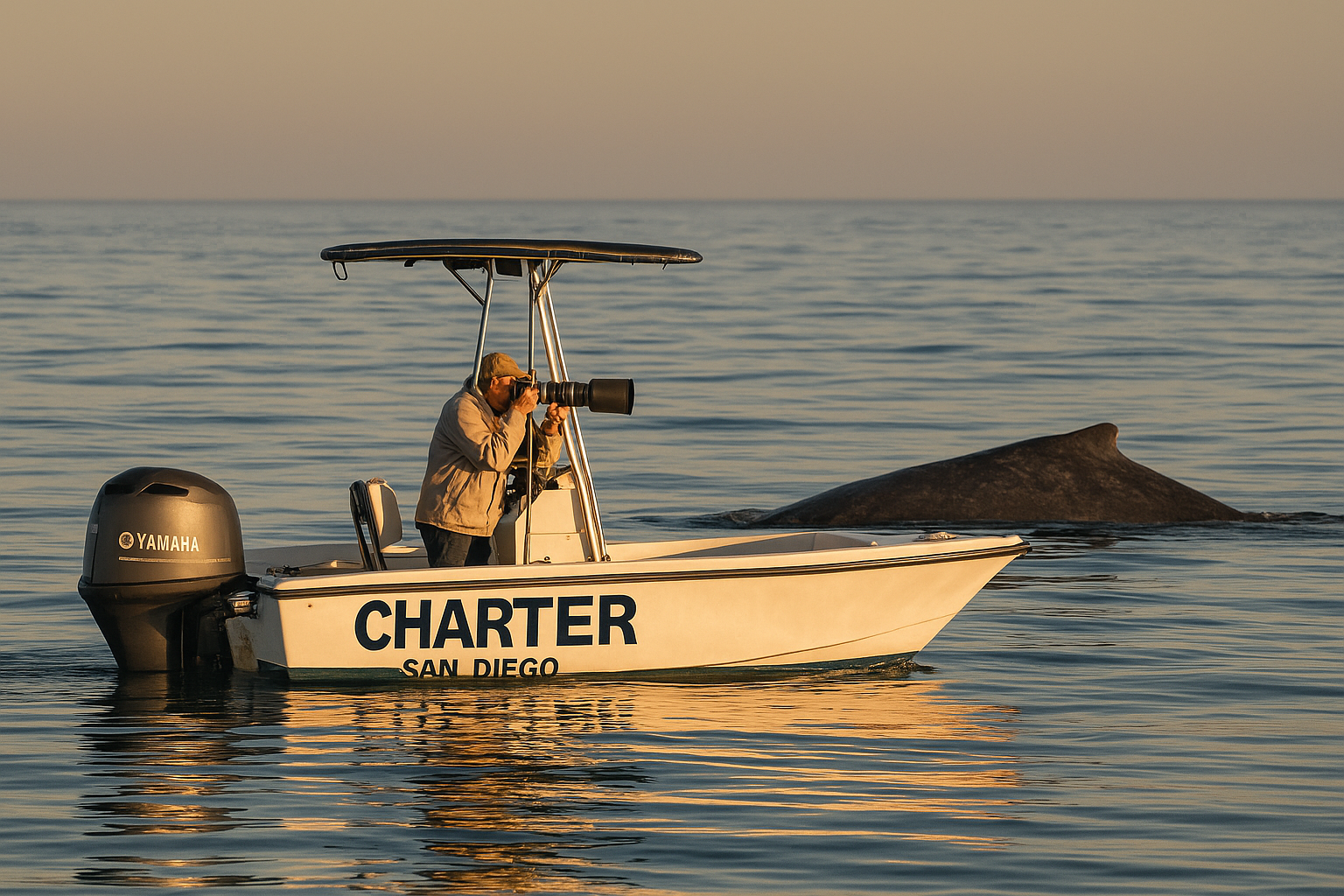
Filmmaker support whale watching tours san diego give crews stable platforms for close, low-vibration shots.
Filmmaker Support Whale Watching Tours San Diego: What to Expect
On a typical trip, a captain and a trained naturalist work together to position the boat for light, distance, and animal behavior rather than simply chasing a sighting. As a result, crews spend less time repositioning gear and more time rolling camera. Trips range from standard three to four hour outings to full-day expeditions for projects that need extended coverage.
Because vessels are Coast Guard-inspected and feature 360-degree viewing access, there is rarely a bad angle on board. Furthermore, quiet outboard engines reduce both audible noise in recorded audio and disturbance to wildlife, which keeps animals calmer and more likely to surface naturally near the boat.
What Are Filmmaker Support Whale Watching Tours?
Filmmaker support whale watching tours are charters specifically equipped and staffed to assist photographers and film crews in capturing high-quality marine wildlife footage. They differ from standard whale watching cruises by prioritizing small groups, stable low-profile hulls, and naturalist expertise over high passenger volume.
In contrast, a large commercial whale watching boat is optimized for ticket sales and quick sightings, not for sustained, quiet observation. For filmmakers, that difference directly affects shot quality, stability, and the ability to wait for the right moment.
Why Documentary and Film Crews Choose San Diego Charters
San Diego sits along a migratory corridor used by several whale species, which means film crews can plan shoots around predictable seasonal windows rather than guessing. For example, blue whales and fin whales are commonly sighted offshore between June and September, while gray whales migrate past the coast from December through April.
According to NOAA Fisheries, blue whales are the largest animals known to have ever lived, reaching lengths of up to 100 feet, which makes them a priority subject for many documentary productions working off the California coast. Additionally, La Jolla Canyon’s proximity to deep water brings pelagic species closer to shore than in many other regions, cutting down on transit time for crews working against daylight.
For a deeper look at how operators structure these trips for visual storytelling, the filmmaker-friendly wildlife tours guide covers additional planning considerations specific to San Diego waters.
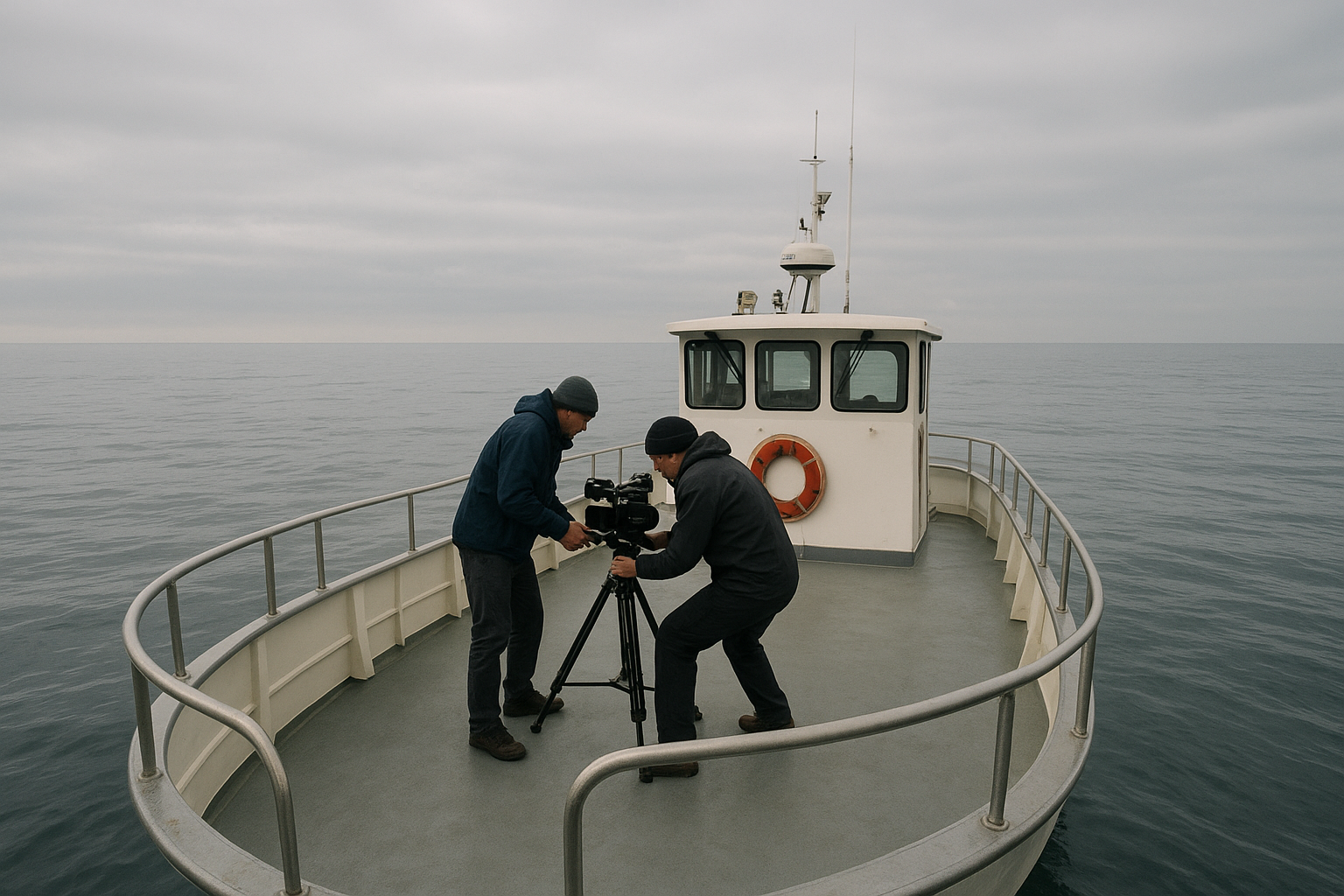
Open, unobstructed decks give crews flexibility to reposition cameras without blocking sightlines.
Vessel Features Built for Professional Wildlife Filming
Several physical features separate a filming-capable boat from a standard tour vessel. Specifically, a low-profile hull reduces rocking motion, which in turn reduces camera shake during handheld or gimbal-mounted shots. Quiet outboard engines also matter, since engine noise can bleed into recorded audio and startle wildlife before a shot is set up.
Open 360-degree viewing access means a camera operator can move freely to follow a whale’s surface pattern without climbing over seats or other passengers. Above all, this flexibility is what allows crews to capture spouts, fluke-ups, and breaches from multiple angles during a single encounter.
- Low-profile, stable hull for reduced camera shake
- Quiet outboard engines for cleaner audio and calmer wildlife
- 360-degree open deck access for flexible camera positioning
- Coast Guard-inspected design for safety compliance on extended shoots
Seasonal Whale and Dolphin Filming Opportunities
San Diego’s waters offer something to film nearly every month of the year, which is part of why the region attracts repeat documentary productions. Blue whales and fin whales dominate the summer months, while gray whales pass through during their winter and spring migration between Alaska and Baja California.
Humpback whales and pods of common and bottlenose dolphins can appear across multiple seasons, often providing surface activity like breaching and bow-riding that works well for dynamic footage. Meanwhile, summer snorkel and photo trips add underwater filming opportunities around kelp paddies, sea lions, and ocean sunfish, also known as molas.
Crews interested in comparing seasonal patterns across the broader region can review the Southern California offshore whale watching charters guide for additional context on migration timing.
How to Book a Filmmaker-Friendly Whale Watching Charter
Booking a filming-focused charter is straightforward, but a little preparation goes a long way toward a productive shoot. The following steps outline a practical process for photographers and crews.
- Choose your charter type. Decide between private, semi-private, or full-day expeditions based on crew size and the amount of flexible time needed.
- Share your filming requirements. Tell the operator about camera gear, drone plans, and whether naturalist narration is needed for voiceover content.
- Confirm the best season. Match your shoot date to the migration pattern of the species you are targeting.
- Pack your own gear. Bring waterproof housings, extra batteries, and personal snorkel or freedive equipment, since rental gear is not supplied on board.
- Arrive early at Seaforth Marina. Check in ahead of departure to load equipment and align on a positioning strategy with the captain and naturalist.
Low-Impact Filming Practices That Protect Marine Wildlife
Responsible filming practices matter just as much as technical setup. Non-chasing viewing approaches, where the boat lets animals set the pace rather than pursuing them, tend to produce calmer, more natural behavior on camera. Consequently, footage captured this way often looks more authentic and is easier to use for conservation-minded or educational projects.
Naturalist-led crews also help interpret behavior in real time, which allows camera operators to anticipate a breach or fluke-up rather than react to it after the fact. For a broader view of how photography-focused trips are structured around these principles, the wildlife photography tours page outlines additional trip formats worth considering.
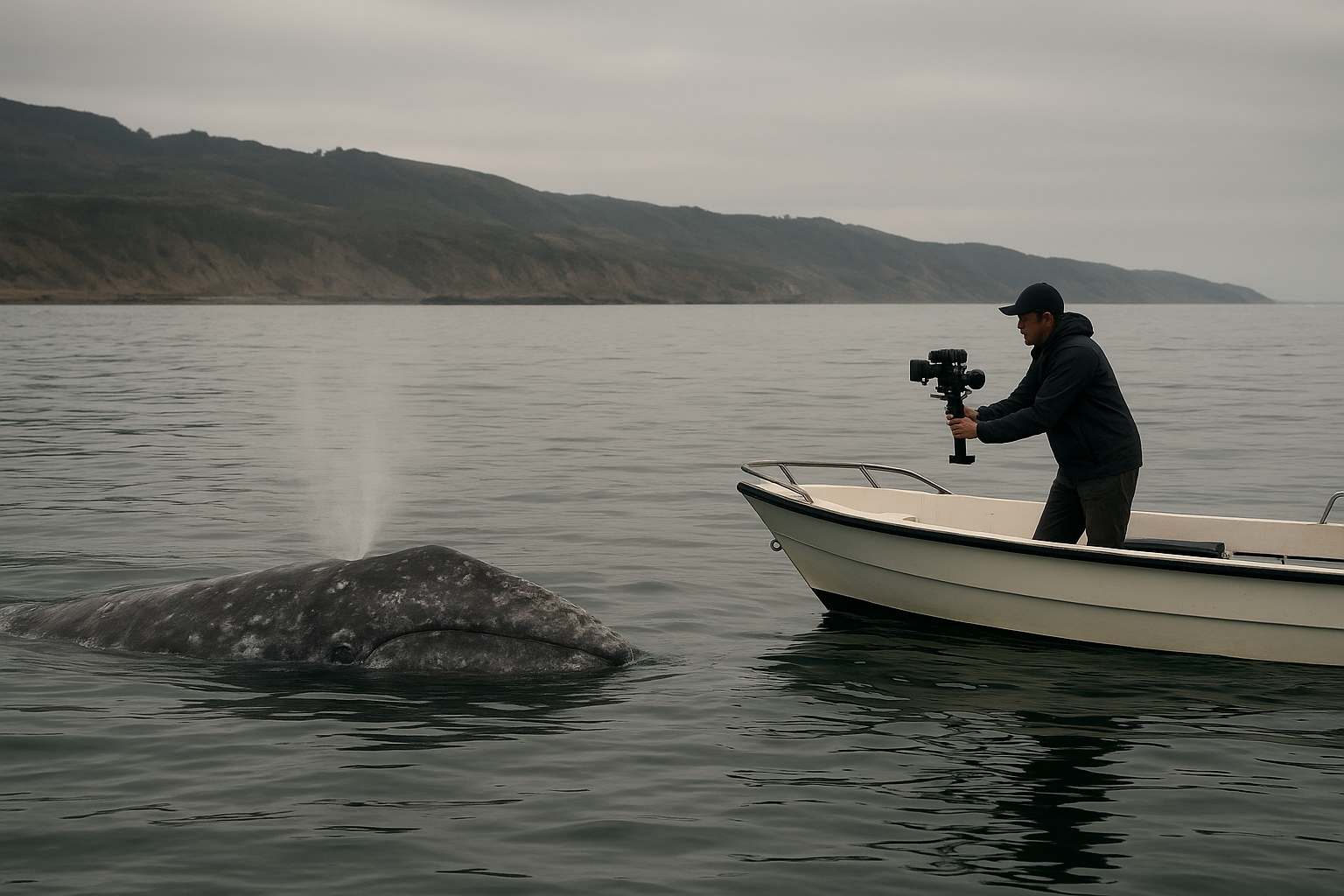
Low-impact, non-chasing approaches keep wildlife calm and footage looking natural.
Frequently Asked Questions About Filmmaker Support Whale Watching Tours San Diego
What is filmmaker support whale watching tours san diego?
Filmmaker support whale watching tours san diego are small-group charters designed around the needs of photographers and film crews, offering stable low-profile boats, quiet engines, naturalist guidance, and 360-degree access for capturing professional wildlife footage.
How much do filmmaker-friendly whale watching charters cost in San Diego?
Pricing varies by charter type, group size, and trip length, since private and semi-private filming charters are usually quoted based on crew needs and equipment. Contacting the operator directly with your shoot details is the most accurate way to get a quote.
What whale species can filmmakers expect to see in San Diego?
Depending on the season, filmmakers may encounter blue whales, gray whales, humpback whales, fin whales, orcas, and dolphins off the San Diego coast. Blue and fin whales are more common in summer, while gray whales migrate past in winter and spring.
Why are small-group charters better for filming than large whale watching boats?
Small-group charters capped at six to twelve passengers give filmmakers unobstructed sightlines and quieter operation than large commercial boats packed with tourists. This reduces vibration, crowd noise, and visual clutter in the frame.
Do I need a permit to film wildlife from a charter boat?
Recreational and most editorial filming from a Coast Guard-inspected charter does not require a special permit, but commercial drone operation and marine mammal approach distances are regulated. It is best to disclose your project scope when booking so the crew can advise on compliance.
What is the best season for filming blue whales near San Diego?
Blue whale sightings off San Diego typically peak between June and September, based on seasonal migration patterns tracked by NOAA Fisheries. Gray whales are better suited to winter filming, from December through April.
Can drones be used during whale watching film shoots?
Drone-friendly operations are available on select charters, but flight plans must follow FAA regulations and marine wildlife approach guidelines. Coordinating drone use in advance ensures the boat positions correctly without disturbing the animals.
What equipment should filmmakers bring on a whale watching charter?
Filmmakers typically bring waterproof camera housings, telephoto lenses, stabilizers, and backup batteries, along with their own snorkel or freedive gear for summer underwater sequences. Dry bags and lens cloths are also recommended given sea spray.
How long do filmmaker support whale watching tours typically last?
Standard trips run three to four hours, while full-day expeditions extend coverage time for documentary-style shoots that require patience and flexibility. Full-day options are generally recommended for crews targeting specific behaviors or species.
What makes a boat filmmaker-friendly?
A filmmaker-friendly boat combines a stable, low-profile hull, quiet outboard engines, unobstructed 360-degree viewing, and a crew experienced in positioning for light and wildlife behavior. These features collectively reduce camera shake and missed shots.
Are snorkeling trips available for underwater filming?
Yes, summer snorkel and photo excursions feature encounters with ocean sunfish, kelp paddies, and sea lions, giving filmmakers underwater and surface-level footage opportunities. Guests are expected to bring their own snorkel or freedive equipment, as rental gear is not provided.
What is a common mistake filmmakers make when planning a whale watching shoot?
A common mistake is booking a single short trip without buffer days, since wildlife sightings depend on weather, season, and animal movement. Building in flexibility or choosing a full-day charter significantly improves the odds of capturing the desired footage.
How far in advance should I book a private filming charter?
Booking four to six weeks ahead is advisable for private or semi-private filming charters, especially during peak blue whale season from June through September. Last-minute bookings may still be possible but offer less flexibility on dates and boat customization.
Do tours offer naturalist narration for documentary voiceover content?
Yes, tours led by a Scripps-trained marine biologist provide real-time species identification and behavioral context that can be recorded for documentary voiceover or educational content. This expert commentary adds scientific credibility to finished footage, and you can learn more about naturalist-led trip formats on the whale watch page.
Final Thoughts on Filmmaker Support Whale Watching Tours
Ultimately, filmmaker support whale watching tours san diego exist to solve a specific problem: standard tourist boats are not built for the patience, positioning, and stability that professional footage requires. By combining small groups, stable low-profile hulls, quiet engines, and naturalist expertise from a Scripps-trained marine biologist, these charters give photographers and documentary crews a genuine working platform rather than just a scenic ride.
Whether the goal is a blue whale sequence for a broadcast documentary or underwater footage of sea lions and ocean sunfish, planning around seasonal migration patterns and booking well in advance makes a measurable difference. For crews ready to plan a shoot, reviewing current trip options directly at bigbluephotoboat.com is a practical next step toward getting the right boat, crew, and season aligned for the footage the project needs.