
Coast guard inspected whale watching boats San Diego families and photographers trust are not just a marketing phrase — they represent a real federal safety standard every vessel must pass before carrying paying passengers offshore. At Big Blue Photo Boat, every tour departs Seaforth Marina aboard vessels that meet these strict requirements, so guests can focus on spotting blue whales, gray whales, and dolphins instead of worrying about safety. In addition, the small-group format, capped at six passengers for standard tours, means every seat has a clear view of the water.
What Are Coast Guard Inspected Whale Watching Boats in San Diego?
Coast guard inspected whale watching boats in San Diego are vessels that the U.S. Coast Guard has formally examined and certified for commercial passenger service. Inspectors check hull condition, engine reliability, life jackets, fire extinguishers, and the captain’s licensing before issuing a Certificate of Inspection. Without this certificate, a boat cannot legally carry paying passengers on ocean wildlife tours.
Because inspection standards are set at the federal level, they apply the same way whether a boat is chasing gray whales off Point Loma or blue whales further offshore. For example, the U.S. Coast Guard Marine Safety Center outlines the exact criteria a commercial passenger vessel must meet before it can operate. As a result, guests booking with an inspected operator are protected by rules that exist specifically for ocean tourism.
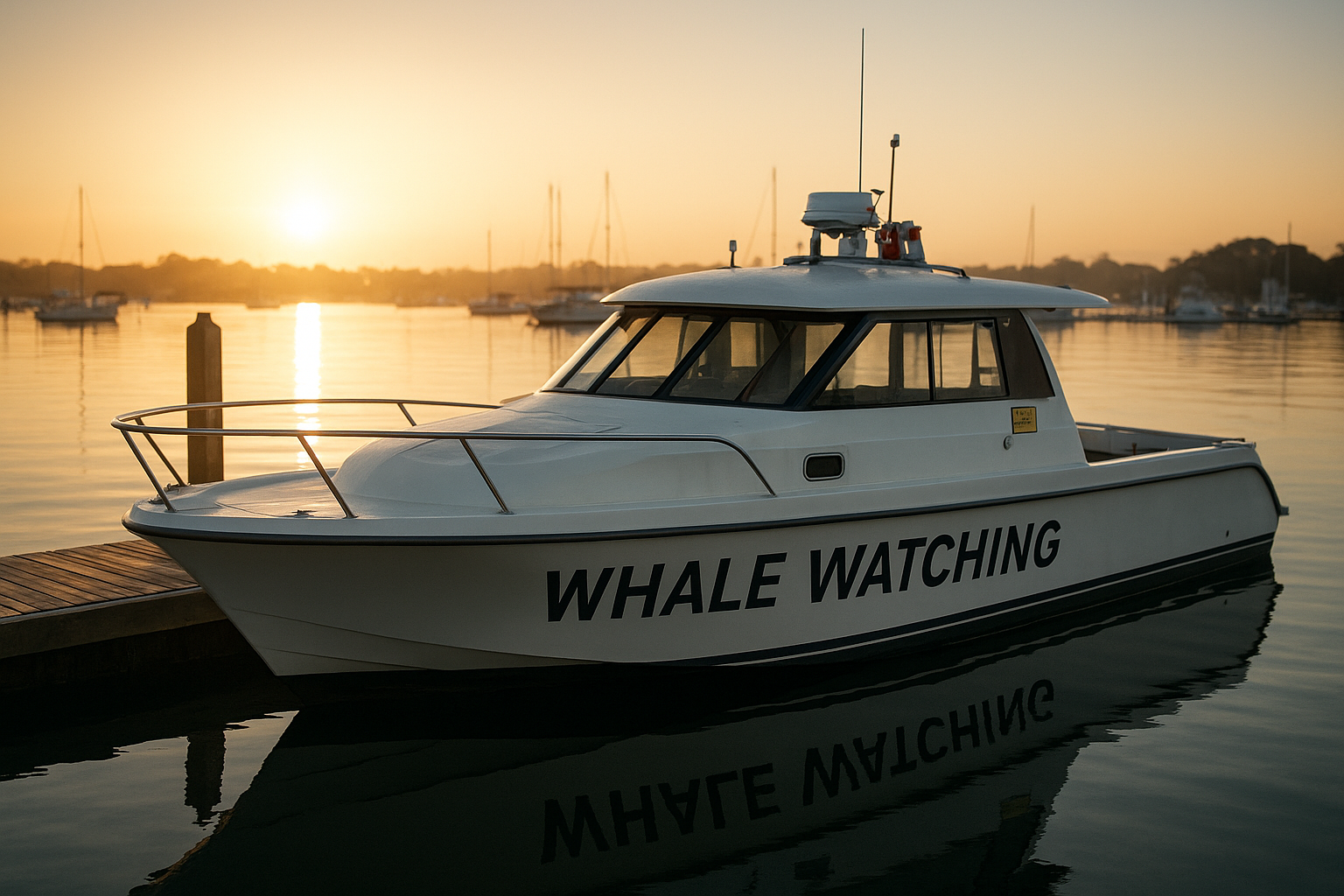
Coast guard inspected whale watching boats san diego depart daily from Seaforth Marina.
Why Coast Guard Inspected Whale Watching Boats San Diego Travelers Choose Matter
Safety at sea is not a formality; it is a documented process with real consequences when it is skipped. In fact, recent U.S. Coast Guard Recreational Boating Statistics reports have logged thousands of boating accidents nationwide each year, with many linked to operator inexperience or poorly maintained vessels (source: uscg.mil). Consequently, choosing coast guard inspected whale watching boats San Diego operators run is one of the simplest ways to reduce that risk before you ever leave the dock.
Furthermore, an inspected vessel typically means a more professionally run operation overall. Above all, inspected operators must maintain current licensing, carry proper insurance, and follow low-impact, non-chasing wildlife viewing practices that protect both passengers and the whales themselves. Similarly, a well-run operation tends to invest in better crew training, which matters when conditions change quickly on open water.
How Coast Guard Vessel Inspections Work
Before a boat can carry paying passengers, an inspector reviews several specific systems. Specifically, the exam typically covers:
- Hull integrity and structural soundness, including watertight compartments
- Life-saving equipment, such as life jackets sized for every passenger
- Fire suppression systems and functioning extinguishers
- Navigation lights, radios, and bilge pumps
- Captain licensing appropriate to the vessel’s size and route
Once a vessel passes, it receives a Certificate of Inspection that must be renewed on a set schedule rather than issued once and forgotten. Therefore, an inspected boat is checked repeatedly over its operating life, not simply approved a single time and left alone.
Meet the Marine Biologist and Captains Aboard Our Small-Group Tours
Beyond vessel safety, the people running the tour matter just as much. Every Big Blue Photo Boat trip is led by a Scripps Institution of Oceanography-trained marine biologist and naturalist working alongside experienced captains. As a result, guests get accurate, real-time information about whale behavior instead of guesswork.
Because standard tours are capped at six passengers, with up to twelve allowed for special occasions, there is rarely a crowded rail blocking the view. In particular, this small-group format lets the naturalist answer questions directly and position the boat thoughtfully for sightings, all while following low-impact, non-chasing guidelines around blue whales, humpbacks, fin whales, orcas, and dolphins. You can review current tour formats on the small-group wildlife adventure page.
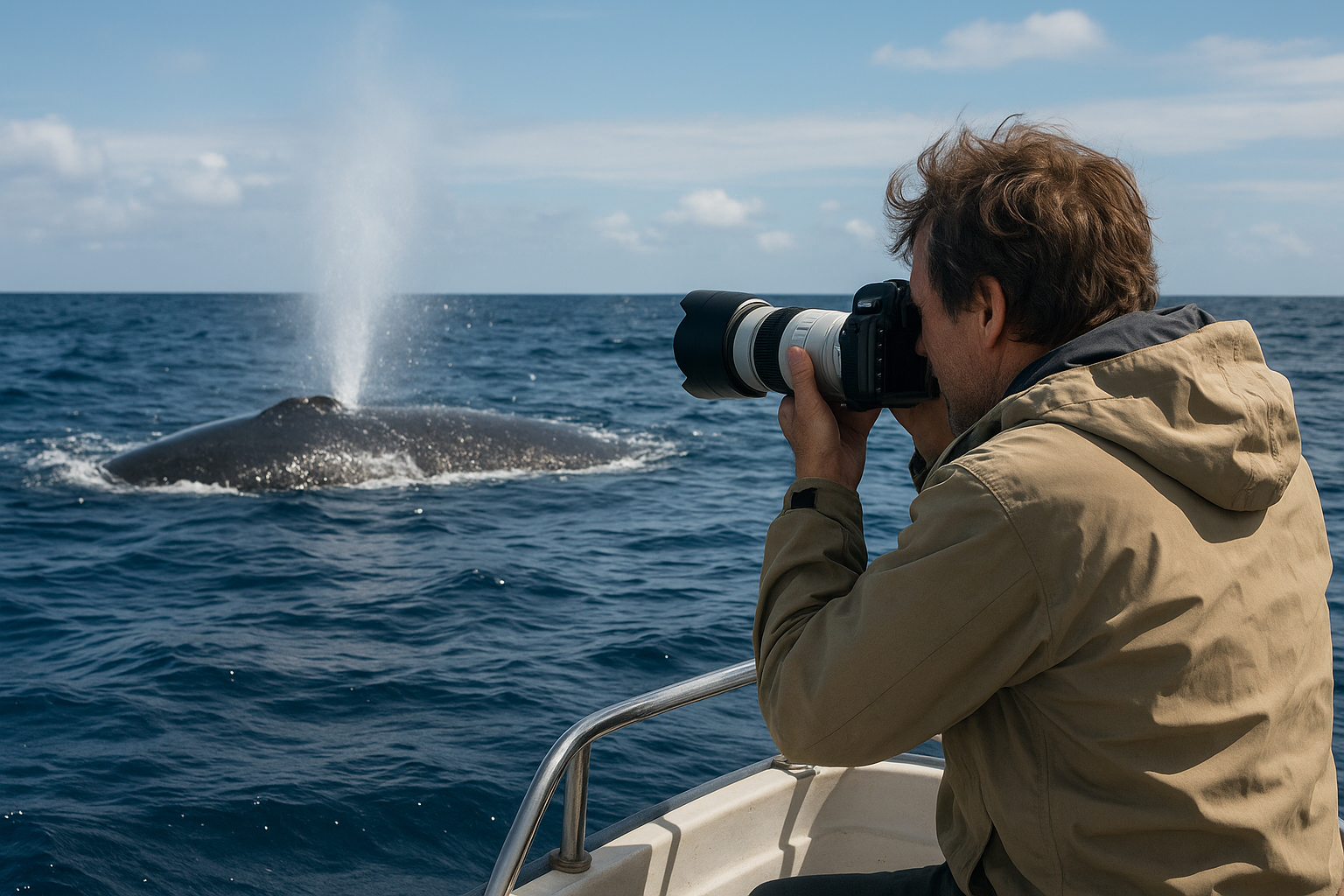
Low-profile platforms give photographers a clear, unobstructed angle on passing whales.
Photographer- and Filmmaker-Friendly Vessel Design
Not every inspected boat is built with cameras in mind, yet this is exactly where Big Blue Photo Boat’s design choices stand out. The vessels use stable, low-profile hulls and quiet outboard engines, which reduce vibration and startle wildlife less than louder boats. In addition, 360-degree viewing access means there is no single “good side” of the boat, so everyone gets a usable angle.
These platforms have supported film crews from BBC Earth, National Geographic, and Discovery Channel, which reflects the level of stability and quiet operation required for professional wildlife filming. Likewise, drone-friendly operations are available on request for guests documenting a shoot from above as well as at water level.
Seasonal Whale Watching Aboard Our Inspected Boats
San Diego’s offshore waters host different species depending on the time of year. Specifically, gray whales migrate along the coast from December through April, while blue whales, the largest animals on Earth, and humpbacks are more commonly spotted from roughly June through September. Meanwhile, dolphins are present in large pods throughout most of the year, and orcas and fin whales appear on a more occasional basis.
During summer months, Big Blue Photo Boat also runs Blue Water Safari snorkel and photo tours featuring ocean sunfish, known as molas, along with kelp paddies and curious sea lions. Guests should bring their own snorkel or freedive gear, since rental equipment is not provided on these trips. For details on year-round scheduling, see this guide to year-round whale watching availability.
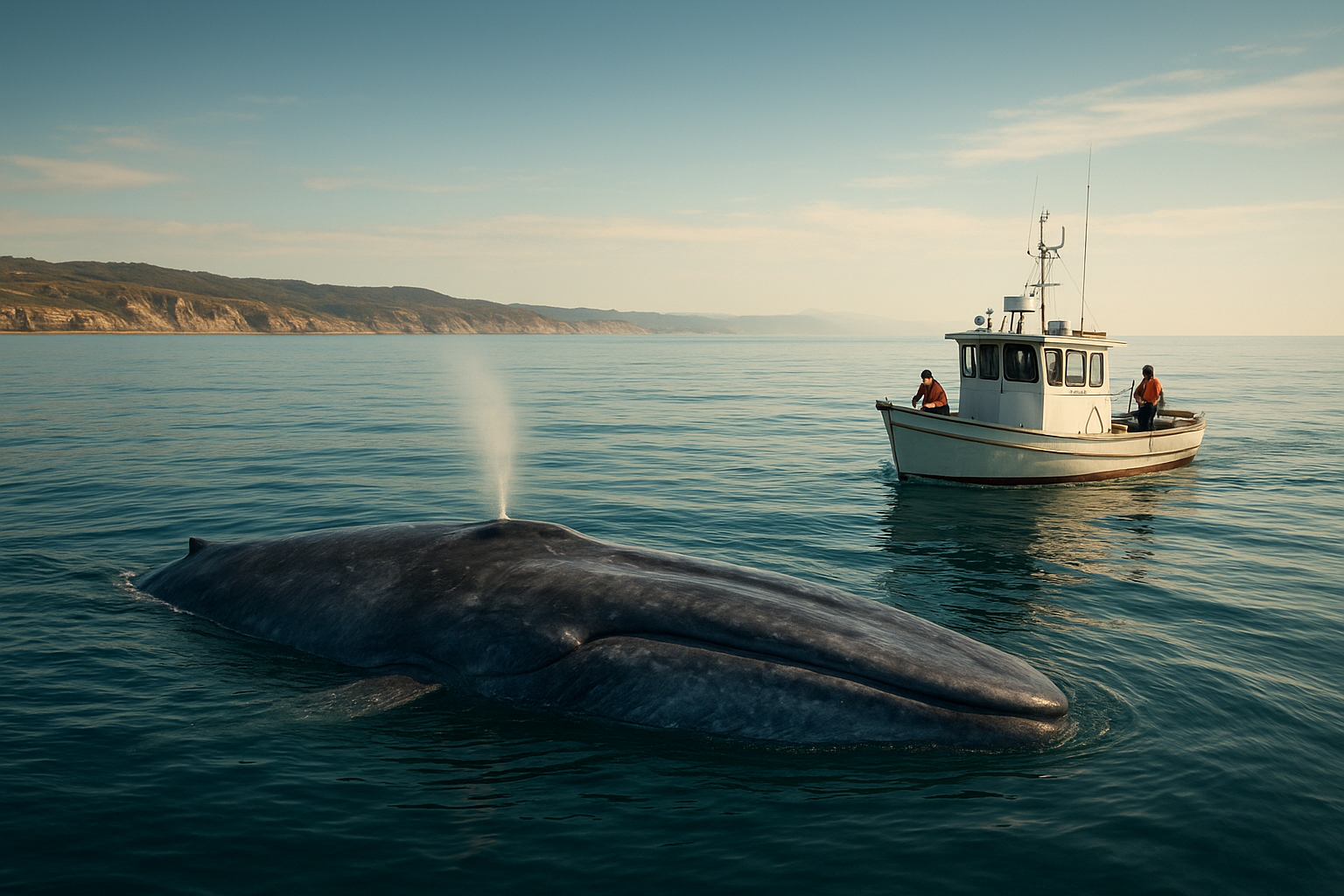
Summer months bring some of the best blue whale sightings along the San Diego coast.
How to Book Your Private or Semi-Private Charter
Booking a tour is straightforward once you know what to consider first. Below is the general process most guests follow when reserving a coast guard inspected boat through Big Blue Photo Boat.
- Choose your tour type, deciding between a private whale watching charter, a semi-private tour, a Blue Water Safari snorkel trip, or a full-day expedition based on your group size and interests.
- Check seasonal availability, since sightings and snorkel conditions shift across San Diego coastal waters and nearby La Jolla Canyon throughout the year.
- Reserve your date directly with the operator, confirming passenger count and any photography or filming needs in advance of your trip.
- Arrive at Seaforth Marina before departure, meet the captain and naturalist, and review the low-impact wildlife viewing guidelines before boarding.
If you are still comparing options, this overview of the best small-group whale watching tours in San Diego and the main whale watch tour page can help you decide which package fits your plans. You can also explore full details directly at bigbluephotoboat.com.
Frequently Asked Questions About Coast Guard Inspected Whale Watching Boats in San Diego
What are coast guard inspected whale watching boats in San Diego?
Coast guard inspected whale watching boats in San Diego are vessels certified by the U.S. Coast Guard for commercial passenger service after passing safety inspections. These inspections cover hull condition, life-saving gear, fire suppression, and captain licensing. Big Blue Photo Boat’s fleet operates under this certification for every tour from Seaforth Marina.
What does it mean when a boat is Coast Guard inspected?
Coast Guard inspection means a licensed marine inspector has examined the vessel and confirmed it meets federal safety standards for carrying paying passengers. It also means the captain holds the required license for that class of vessel. This process repeats on a regular schedule, not just once.
Why should I choose coast guard inspected whale watching boats San Diego operators offer over uninspected charters?
Choosing coast guard inspected whale watching boats San Diego operators run gives you documented proof of safety compliance rather than a verbal promise. Uninspected or unlicensed charters may skip required safety gear or operate outside legal passenger limits. In addition, inspected operators like Big Blue Photo Boat carry proper insurance and follow low-impact wildlife viewing rules.
How much does a private whale watching tour cost in San Diego?
Pricing for a private whale watching tour in San Diego varies by group size, tour length, and season, since full-day expeditions and custom charters cost more than a standard outing. Exact rates are provided when you request a quote for your preferred date. Booking directly with the operator usually gives the clearest pricing breakdown.
How long does a typical whale watching tour last?
Most whale watching tours in San Diego run between three and four hours, though full-day expeditions extend well beyond that for guests chasing rarer sightings. Tour length depends on the package selected and how far offshore the captain needs to travel. Semi-private and private tours can often be adjusted to fit a specific schedule.
What is the best time of year to see whales in San Diego?
San Diego offers whale sightings year-round, but the season shifts by species: gray whales migrate from December through April, while blue whales and other large species are more common from June through September. Fall and early winter bring transitional sightings of dolphins and other migratory species.
How many passengers are allowed on a semi-private tour?
Semi-private whale watching tours with Big Blue Photo Boat are typically capped at six passengers, which keeps the boat uncrowded and gives everyone a clear view. For special occasions, groups of up to twelve can sometimes be accommodated. This small-group approach is a key reason photographers and filmmakers prefer these tours.
Do I need to bring my own snorkel gear for the Blue Water Safari tour?
Guests joining the Blue Water Safari snorkel tour are expected to bring their own snorkel or freedive equipment, since gear rental is not provided. Bringing a well-fitted mask, snorkel, and fins ensures comfort while spending time near sea lions, kelp paddies, and ocean sunfish.
What safety equipment is required on a Coast Guard inspected boat?
A Coast Guard inspected boat must carry approved life jackets for every passenger, fire extinguishers, working navigation lights, and functioning bilge pumps, among other requirements. The hull and engine are also checked for structural soundness. These requirements exist specifically to protect passengers on commercial ocean trips.
What is the difference between a private and semi-private whale watching charter?
A private charter reserves the entire boat exclusively for your group, while a semi-private tour may include other small parties sharing the same six-passenger capacity. Private charters typically cost more but offer full flexibility over timing and route. Semi-private tours are a budget-friendly way to still enjoy a small-group experience.
What common mistakes should first-time whale watchers avoid?
One common mistake is booking during a single narrow window instead of checking which species are typically active that month. Another is forgetting layers, since ocean temperatures on the water can feel much cooler than on land. Skipping motion sickness precautions before departure is also a frequent regret.
Are the boats suitable for professional photographers and filmmakers?
Yes, the vessels used by Big Blue Photo Boat feature stable, low-profile hulls, quiet outboard engines, and 360-degree viewing access specifically to support photographers and filmmakers. The boats have supported film crews from organizations including BBC Earth, National Geographic, and Discovery Channel.
Who leads the tours aboard Big Blue Photo Boat?
Tours are led by a Scripps Institution of Oceanography-trained marine biologist and naturalist working alongside experienced captains. This pairing means guests get both safe navigation and accurate, real-time information about the marine life they encounter.
Can I book a custom charter for a special occasion or corporate event?
Yes, Big Blue Photo Boat offers fully customized boat tour packages for special occasions, corporate events, and personalized ocean adventures departing from Seaforth Marina. Details such as group size, route, and duration can be tailored to the event.
Final Thoughts
Ultimately, choosing coast guard inspected whale watching boats San Diego visitors can rely on comes down to safety, small-group comfort, and expert guidance. Big Blue Photo Boat combines Coast Guard-certified vessels, a Scripps-trained marine biologist, and photographer-friendly platforms to deliver tours that meet federal safety standards without sacrificing the up-close ocean experience families, photographers, and filmmakers are looking for. Whether you are planning a private charter, a semi-private outing, or a summer snorkel trip, starting with an inspected, well-run operator is the first step toward a memorable and secure day on the water.