
Private whale watching tours with naturalist guide services let small groups explore San Diego’s offshore waters alongside a Scripps Institution of Oceanography-trained marine biologist. Because each trip stays capped at six guests, or up to twelve for special occasions, everyone gets a close, respectful view of blue whales, gray whales, humpbacks, and dolphins without the crowds typical of a commercial whale watching boat. Captains and naturalists work together aboard quiet, low-profile vessels, so photographers and families alike enjoy 360-degree viewing access throughout the trip.
Quick answer: A private whale watching tour with naturalist guide pairs a small boat charter with an expert marine biologist who identifies species, explains behavior, and keeps the group at a respectful, low-impact distance from marine wildlife throughout the trip.
What Are Private Whale Watching Tours With Naturalist Guide?
In short, private whale watching tours with naturalist guide expertise combine a dedicated small boat with an on-board marine biologist instead of a generic deckhand. As a result, guests receive real-time context about migration routes, feeding behavior, and species identification rather than a simple point-and-shout commentary.
Furthermore, naturalists trained through programs like Scripps Institution of Oceanography bring academic research background to the water. Consequently, questions about whale biology, local ecology, or conservation status get answered accurately, which matters for families, students, and serious photographers alike.
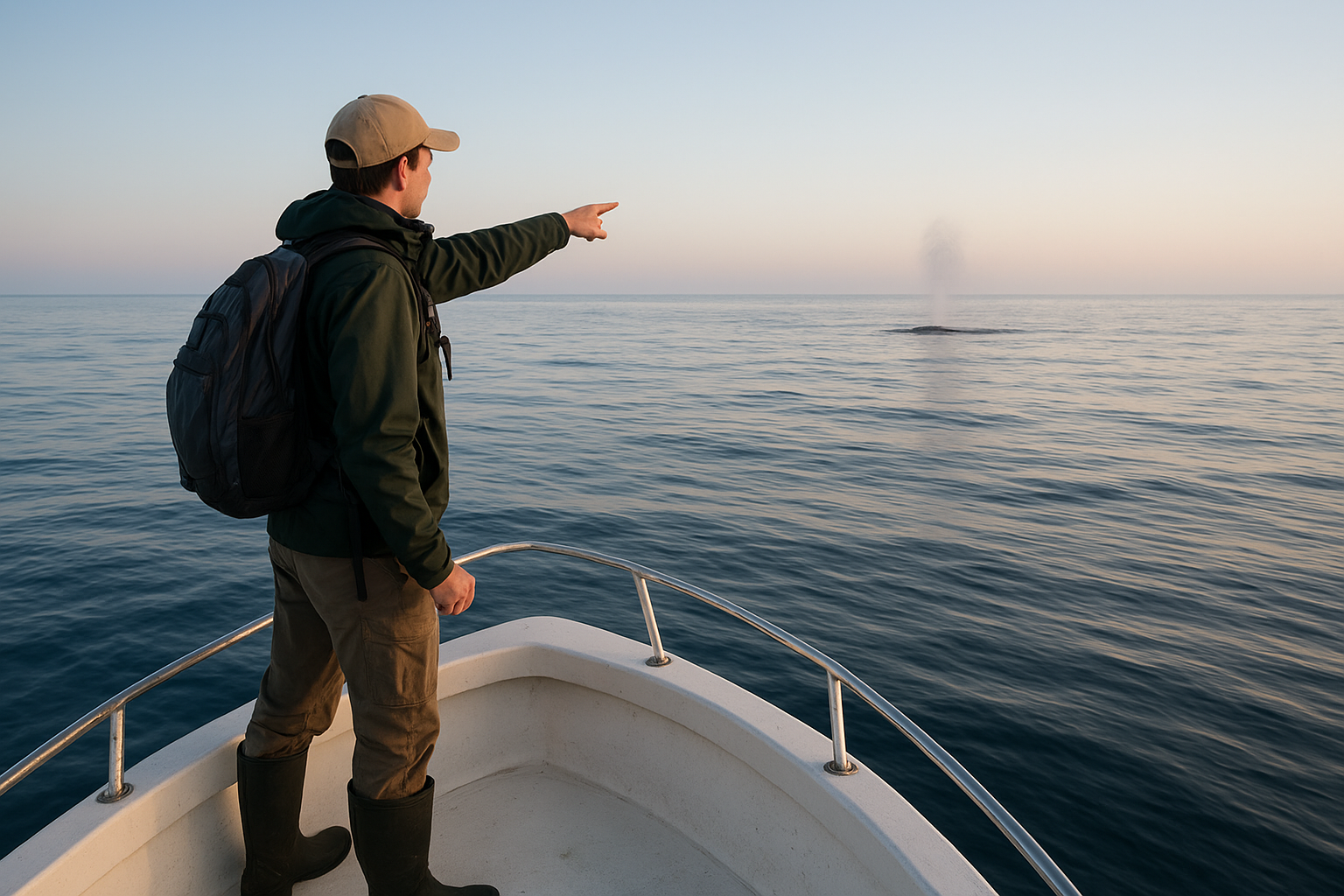
A naturalist guide identifies a distant whale spout during a private whale watching tour off the San Diego coast.
Why Choose a Naturalist-Led Whale Watching Experience
Choosing a naturalist-led whale watching trip changes the entire tone of the day. Rather than competing for rail space on a crowded deck, guests move freely around a small vessel designed for unobstructed viewing. Above all, the presence of a trained biologist means sightings turn into teaching moments instead of brief photo opportunities.
Meet Your Scripps-Trained Marine Biologist Guide
Each trip is led by a naturalist trained through Scripps Institution of Oceanography, one of the world’s leading centers for ocean science research. Because of this background, guides can explain why blue whales gather off San Diego in summer or how gray whales navigate their 10,000-mile migration. You can read more about the educational value these experts add on the page covering educational benefits of naturalist-guided whale tours.
Small Group Sizes for Intimate Wildlife Encounters
Small group sizes make a measurable difference in the quality of a wildlife sighting. With only six guests standard, everyone gets a seat near the rail and direct access to the naturalist’s commentary. For travelers researching options further, the comparison of group formats on the best small-group whale watching tours in San Diego outlines how capacity limits affect the overall experience.
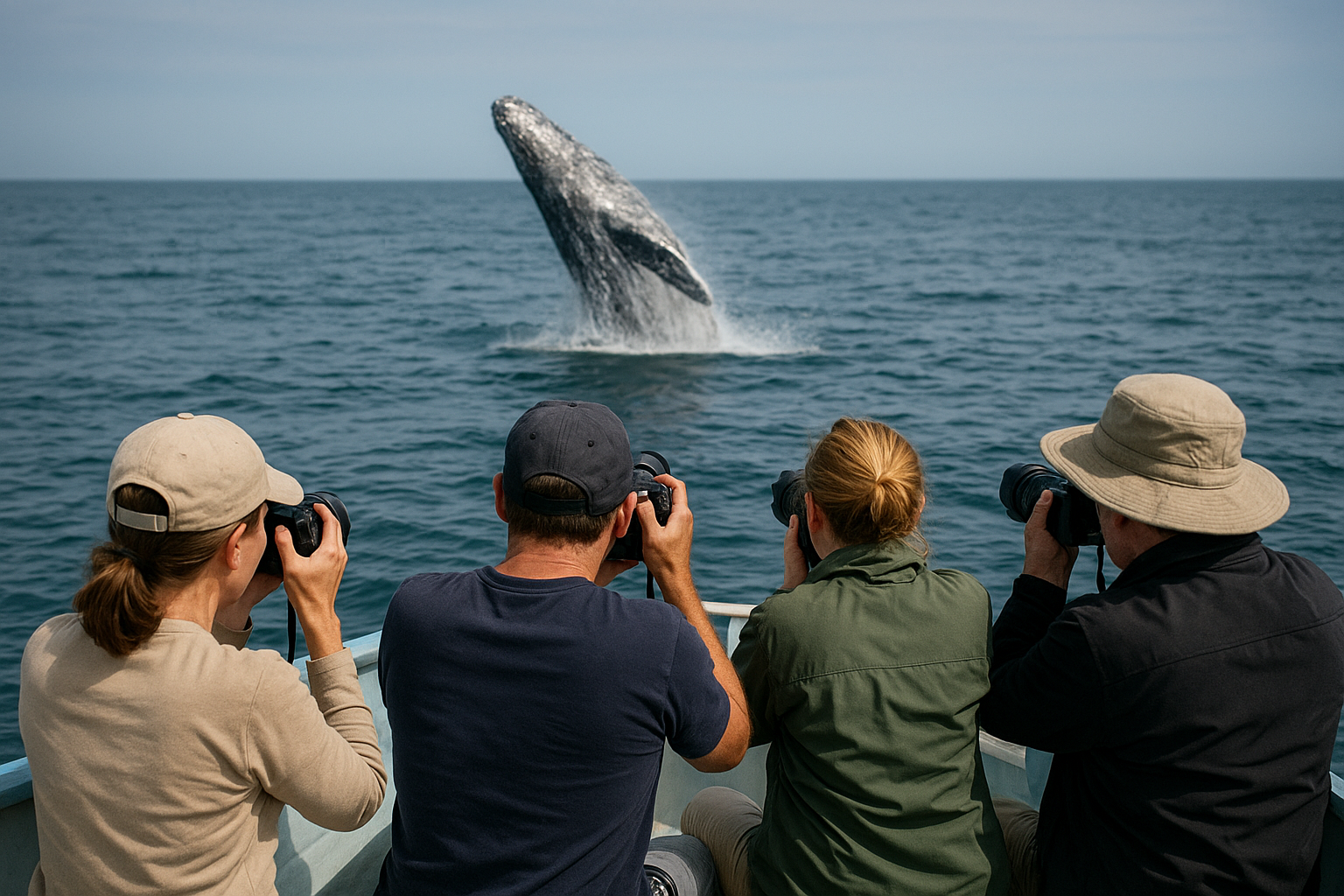
A small group photographs a breaching whale from the open deck of a private charter boat.
What Makes These Private Tours Different From Big Boats
Large commercial whale watching boats can carry well over 100 passengers, which limits movement and often pushes guests toward a single viewing side. In contrast, a private charter keeps the vessel low-profile with quiet outboard engines that avoid startling nearby wildlife. Vessels built for this purpose have supported film crews from BBC Earth, National Geographic, and Discovery Channel, which speaks to their stability and photographer-friendly design.
Additionally, Coast Guard-inspected hulls provide a safety baseline that serious charter operators maintain year-round. Therefore, families and professional crews alike can trust the platform whether they are filming for a documentary or simply capturing vacation memories.
Seasonal Whale and Dolphin Sightings in San Diego Waters
San Diego’s offshore waters sit along a major migratory corridor, which is why sighting opportunities shift throughout the year. According to NOAA Fisheries, blue whales can reach up to 100 feet in length and weigh as much as 200 tons, making them the largest animals known to have ever lived. (NOAA Fisheries) These giants typically feed off San Diego between late June and September.
In winter, gray whales pass closer to shore during their coastal migration between Alaska and Baja California, a route documented extensively on Wikipedia’s gray whale migration overview. Meanwhile, dolphins, sea lions, and seasonal mola sightings round out the Blue Water Safari snorkel trips offered in summer. For a deeper look at blue whale frequency specifically, see the dedicated guide on San Diego blue whale watching tours for small groups.
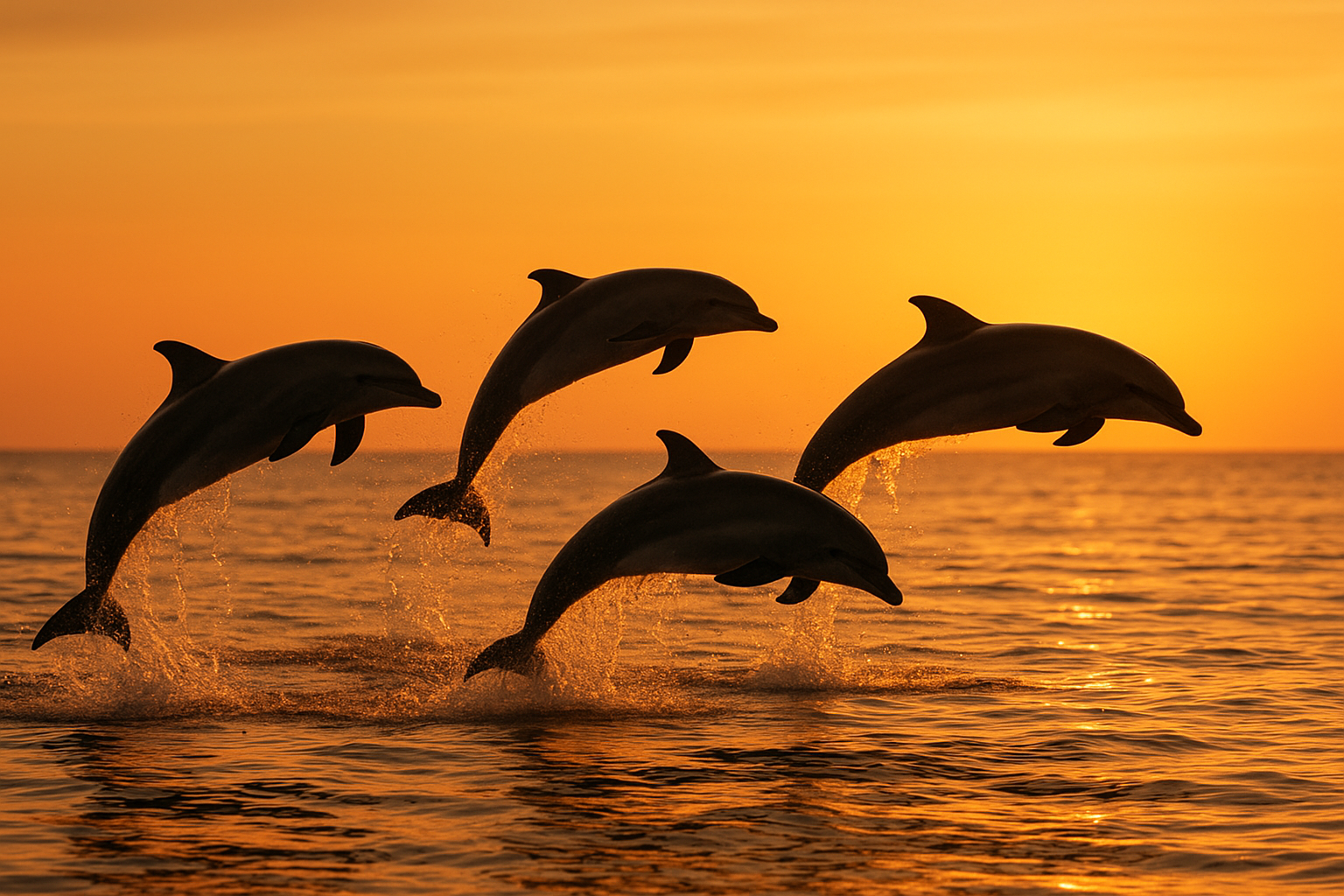
Dolphins often join sightings alongside whales during San Diego boat tours.
How to Book Your Private Whale Watching Tour
Booking a naturalist-led charter is straightforward once you know what to decide first. The following steps outline the typical process from start to departure day.
- Choose your tour type: Decide between a fully private charter, a semi-private small-group trip, or a seasonal snorkel excursion based on group size and goals.
- Pick a season based on target wildlife: Align travel dates with blue whale summer feeding or gray whale winter migration for the best odds.
- Check availability and request a date: Contact the operator to confirm boat and naturalist scheduling, including any special-occasion extras.
- Confirm details and prepare gear: Review departure time and pack layered clothing, sun protection, and camera equipment.
- Arrive at the marina early: Plan to reach Seaforth Marina about fifteen minutes before departure for a safety briefing.
Semi-Private and Custom Charter Options
Not every trip needs to be fully private. Semi-private whale watching tours keep group sizes small while sharing the cost among a limited number of unrelated guests, which works well for solo travelers or couples. On the other hand, custom charters suit birthdays, proposals, or corporate outings where the entire boat is reserved. Details on tailoring a trip for a milestone event appear on the page about private whale watching charters for special occasions.
Likewise, groups weighing their overall options can compare formats through the broader overview of small-group wildlife adventures in San Diego, which breaks down how private, semi-private, and full-day expeditions differ in pacing and price.
Low-Impact, Responsible Wildlife Viewing Practices
Responsible operators follow non-chasing protocols that let whales set the pace of an encounter rather than pursuing them aggressively. As a result, marine mammals experience less stress, and sightings often last longer because the animals remain curious rather than fleeing.
Similarly, maintaining quiet engines and a respectful distance aligns with guidance from marine research institutions such as Scripps Institution of Oceanography, which studies how vessel noise affects cetacean behavior. For readers who want a broader primer on the practice itself, Wikipedia’s overview of whale watching covers the history and ethics of the activity in more depth. Operators that prioritize this approach can be explored directly at Big Blue Photo Boat.
Frequently Asked Questions About Private Whale Watching Tours With Naturalist Guide
What is a private whale watching tour with naturalist guide?
A private whale watching tour with naturalist guide is a small-group boat excursion, typically capped at six guests, led by a trained marine biologist who explains whale behavior in real time. The naturalist works alongside an experienced captain to locate wildlife while following low-impact viewing guidelines.
How many passengers can join a private whale watching tour?
Standard private and semi-private tours are limited to six passengers to keep the experience intimate. Groups can expand to twelve guests for special occasions such as birthdays or corporate outings.
Why book a naturalist-led tour instead of a large public whale watching boat?
Large public boats often carry 50 or more passengers, which limits viewing space and personal interaction with a guide. A naturalist-led charter offers 360-degree access, quieter engines that do not scare wildlife, and direct conversation with a marine biologist throughout the trip.
What whales can you see in San Diego throughout the year?
San Diego waters host blue whales and humpbacks in summer, gray whales migrating in winter, and fin whales, orcas, and dolphins at various points year-round. Sighting likelihood shifts with the season, so naturalist guides track current migration patterns before each trip.
How much do private whale watching tours with naturalist guide cost?
Pricing for private whale watching tours with naturalist guide varies by group size, trip length, and season, with semi-private trips generally costing less per person than fully private charters. Contacting the operator directly provides an accurate quote based on the chosen date and vessel.
How long does a private whale watching charter last?
Most private whale watching charters run between three and four hours, giving enough time to reach offshore feeding grounds and observe wildlife patiently. Full-day expeditions are also available for guests who want extended time on the water.
What is the difference between private and semi-private whale watching tours?
A private tour reserves the entire boat for one group, while a semi-private tour may combine a smaller number of unrelated guests on the same small vessel. Both options stay capped at a low passenger count, unlike large commercial whale watching boats.
What should I bring on a whale watching tour?
Guests should bring layered clothing, sunscreen, polarized sunglasses, and a camera or binoculars. Those prone to seasickness may want motion sickness remedies, since offshore conditions can shift quickly.
Are the boats safe and Coast Guard inspected?
Yes, reputable operators run Coast Guard-inspected vessels with stable, low-profile hulls designed for both safety and steady photography platforms. Experienced captains pair with naturalists to monitor sea conditions and wildlife distance at all times.
Can photographers and filmmakers bring professional gear aboard?
Absolutely, many small charter boats are specifically designed with quiet outboard engines and open 360-degree access for tripods, long lenses, and drones. Vessels like these have supported film crews from major wildlife documentary productions.
What common mistakes do people make when booking whale watching tours?
A frequent mistake is booking a large public boat expecting a personal experience, then feeling crowded out during a sighting. Another is ignoring seasonal migration timing, which lowers the odds of seeing a specific species like blue whales.
Do naturalist guides follow low-impact wildlife viewing practices?
Yes, trained naturalists follow non-chasing protocols that keep a respectful distance and let whales approach on their own terms. This approach reduces stress on marine mammals while still allowing close, memorable encounters.
What is the best time of year to see blue whales in San Diego?
Blue whales are most commonly sighted off San Diego between late June and September, when they feed on dense krill patches offshore. Gray whales, by contrast, are more reliable between December and April during their coastal migration.
Plan Your Private Whale Watching Tour With Naturalist Guide Today
In the end, private whale watching tours with naturalist guide expertise offer something a crowded public boat simply cannot match: direct access to expert knowledge, a quiet platform for photography, and a small group size that keeps every sighting personal. Whether the goal is a family outing, a milestone celebration, or a professional film shoot, San Diego’s year-round migration patterns make it one of the most reliable regions on the West Coast for whale encounters. For specific trip formats and current availability, the overview at San Diego whale tour small-group wildlife adventures is a useful next step before booking.