
Year-round whale watching tours Southern California offers aren’t a myth — they’re a reality along the San Diego coastline, where migrating giants pass by in every season of the year. Rather than waiting for a single winter migration window, travelers can spot blue whales, gray whales, humpbacks, fin whales, and even orcas depending on the month. In addition, dolphins ride the bow wake on nearly every trip, making each outing memorable. This guide explains which whales show up each season, where to find them off the Southern California coast, and how small-group, naturalist-led tours like those departing from Big Blue Photo Boat maximize your chances of an unforgettable sighting.
Quick Answer: Year-round whale watching tours Southern California are possible because overlapping migrations keep whales in the region nearly every month. Gray whales pass through from December to April, blue and fin whales feed offshore from June to September, and dolphins appear almost year-round, which is why operators run trips in every season rather than just winter.
What Is Year-Round Whale Watching Tours Southern California?
Year-round whale watching tours Southern California are boat-based wildlife excursions that run in every season rather than pausing between migrations. Instead of a single “whale season,” the region’s coastline sits at the crossing point of several whale populations, so something is almost always moving offshore. Consequently, operators can plan trips in January just as confidently as they do in July.
This differs from many other whale watching destinations, where boats operate for only a few months each year. Because San Diego’s waters stay productive year-round, naturalists can track feeding patterns, water temperature, and recent sightings to plan each departure, whether it’s peak gray whale migration or late-summer blue whale season.
Southern California Whale Watching Seasons by Month
Understanding the seasonal rhythm helps explain why Southern California supports whale watching all year. Gray whales migrate along the coast between December and April, traveling from Arctic feeding grounds to Baja California breeding lagoons. According to NOAA Fisheries, Eastern North Pacific gray whales complete one of the longest mammal migrations on Earth, covering roughly 10,000 to 12,000 miles round trip each year.
As gray whale season winds down, blue whales and fin whales arrive to feed on dense krill patches from June through September. Specifically, the blue whale population off California represents one of the largest concentrations of the species anywhere in the world. Humpback whales and dolphin pods fill in the gaps during spring and fall, which is covered in more detail in this guide to whales and dolphins found in San Diego throughout the year.
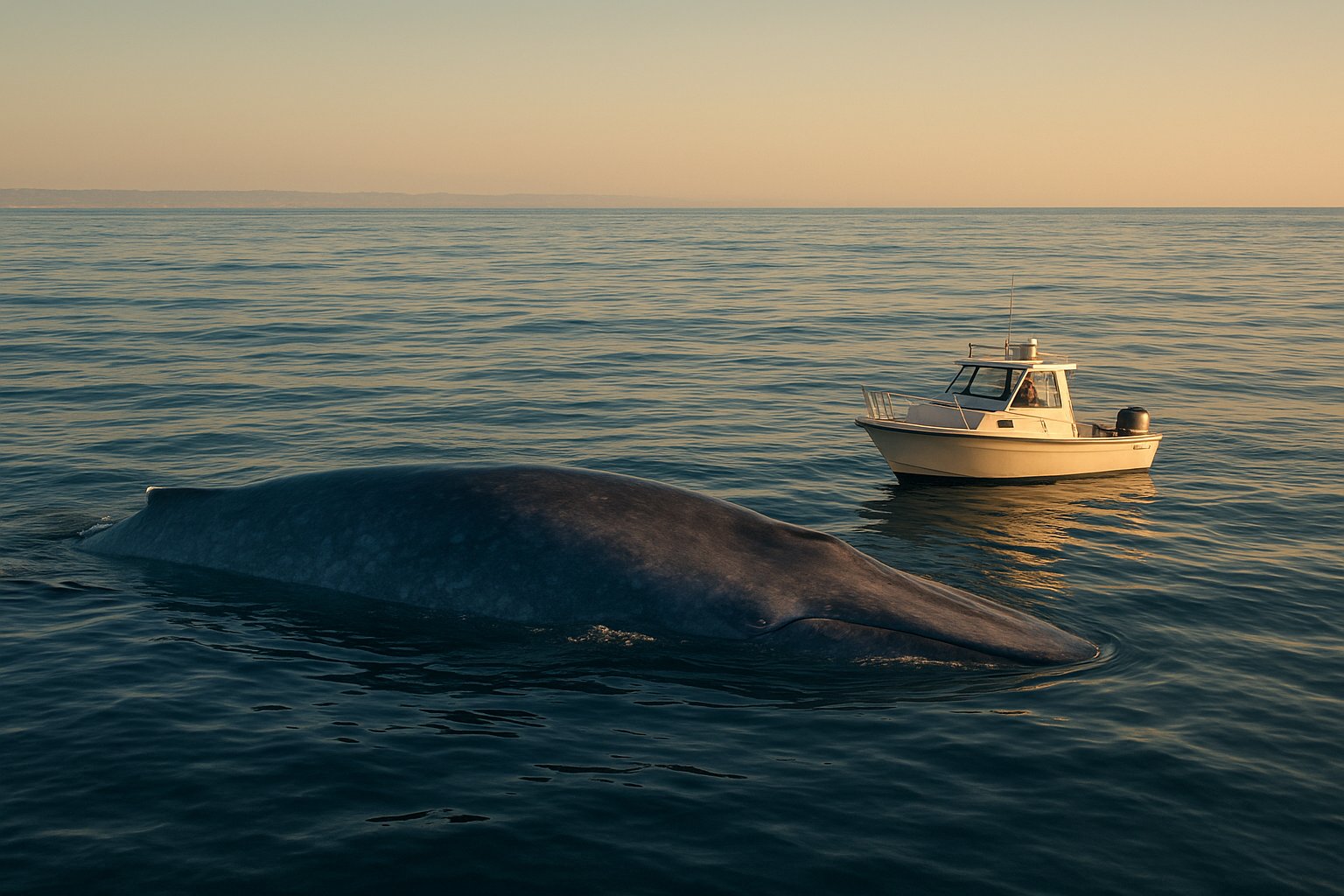
Blue whales feed off the Southern California coast during summer, one highlight of year-round whale watching tours Southern California.
Where to See Whales Off the San Diego Coast
Most sightings happen within a few miles of shore, particularly near La Jolla Canyon, where deep underwater topography pushes nutrient-rich water toward the surface. As a result, whales and dolphins often gather close to the canyon edge to feed. Departing from Seaforth Marina gives boats quick access to these waters without a long transit offshore.
Because conditions change daily, experienced captains rely on recent sighting reports, water temperature, and bird activity to decide where to search. For a closer look at how local operators approach this, see this breakdown of the best whale watching tour in San Diego. In particular, boats that stay flexible on route tend to find more activity than those running a fixed path every trip.
How a Private Whale Watching Charter Works
Booking a private or semi-private trip follows a fairly simple process. Here’s what typically happens from reservation to return:
- Book your private or semi-private whale watching tour online or by phone, choosing a date, group size up to six passengers, and preferred departure time from Seaforth Marina.
- Arrive at Seaforth Marina in San Diego about twenty minutes early to meet your captain and Scripps-trained marine biologist naturalist for a short safety briefing.
- Board the Coast Guard-inspected, low-profile vessel and head offshore toward recent whale activity, using 360-degree viewing access to scan the horizon for blows and splashes.
- Follow low-impact, non-chasing wildlife viewing practices as your naturalist identifies species, explains behavior, and positions the boat for safe, respectful photography and viewing.
- Return to the marina with your naturalist answering questions, sharing sighting data, and helping you review photos and video from the day’s encounters.
Explore the full range of options, including the standard private whale watching tours, before choosing the format that fits your group.
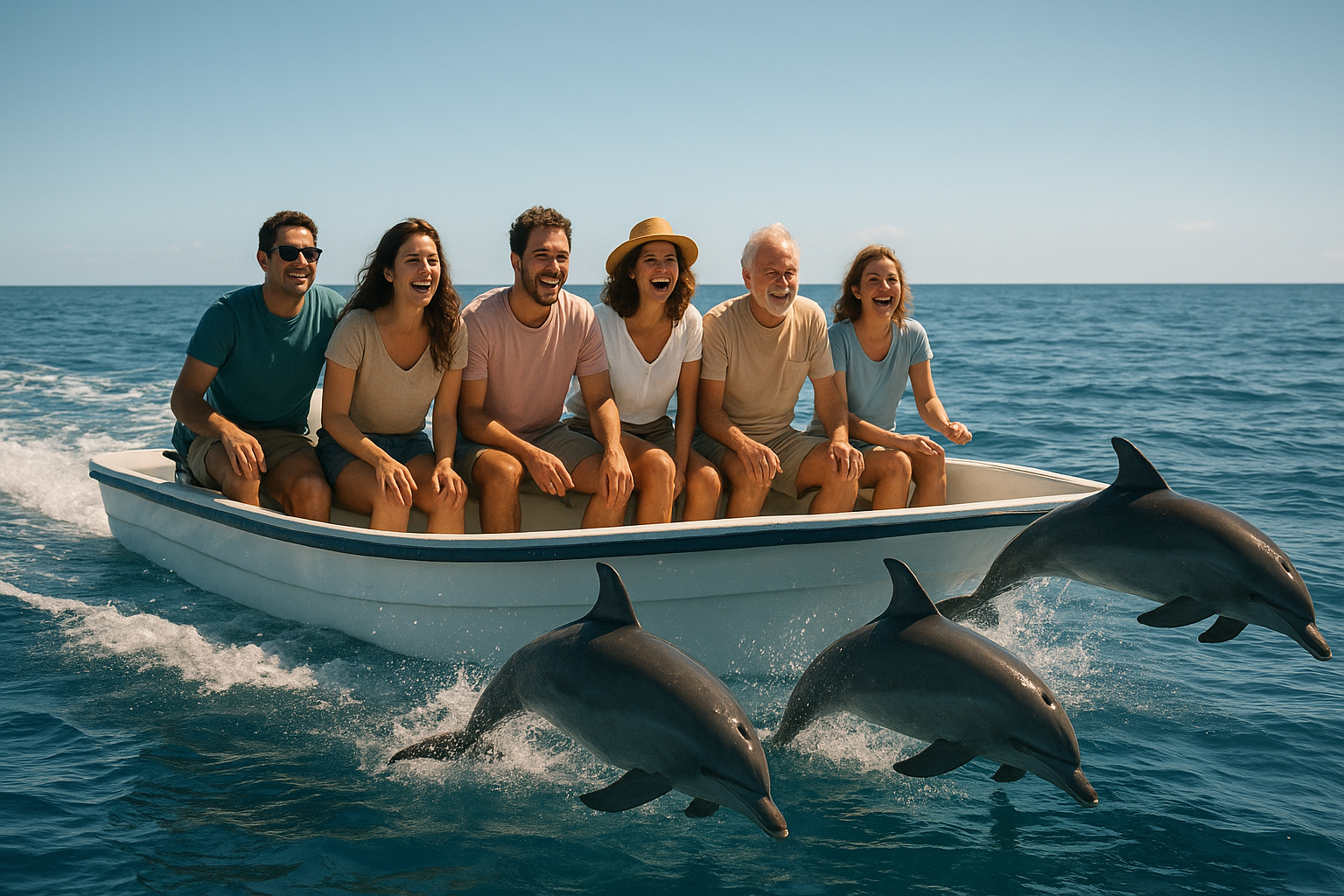
Small groups allow closer, quieter encounters with dolphins and whales alike.
Why Choose Small-Group, Naturalist-Led Whale Tours
Large commercial boats can carry well over a hundred passengers, which often means crowded rails and limited viewing angles. In contrast, boats capped at six passengers, or up to twelve for special occasions, give everyone unobstructed access to the water. Furthermore, a quiet outboard engine disturbs wildlife far less than a large diesel vessel, supporting low-impact, non-chasing viewing practices.
Having a Scripps Institution of Oceanography-trained marine biologist on board also changes the experience. Rather than a generic recorded commentary, guests get real-time explanations of behavior, feeding patterns, and species identification. Families in particular tend to appreciate this format; see this guide to family-friendly whale watching trips for more on planning a trip with kids. Similarly, this overview of small-group wildlife adventures covers how group size affects the overall experience.
Photography and Film-Friendly Boat Charters
Serious photographers and filmmakers need more than a good lens; they need a stable platform. Low-profile hulls, quiet engines, and 360-degree access matter enormously when timing a breach or a tail slap. These are the same qualities that have supported film crews from BBC Earth, National Geographic, and Discovery Channel while documenting marine wildlife along this coast.
Above all, patience and positioning separate a usable shot from a missed one. A naturalist who can predict surfacing patterns gives photographers a meaningful edge, while drone-friendly operations open up additional creative options for aerial footage of pods and migrating whales.
Summer Snorkel Add-On: Blue Water Safari Tours
During the warmer months, some operators pair whale watching with seasonal snorkeling. Blue Water Safari-style trips head toward kelp paddies and open water looking for ocean sunfish, known as molas, along with curious sea lions. Guests are expected to bring their own snorkel or freefall gear, since equipment rental isn’t typically part of these excursions.
This combination extends the appeal of a single trip beyond whale sightings alone. Specifically, a morning whale search followed by an afternoon snorkel stop gives visitors two distinct ocean experiences without needing a second day on the water.
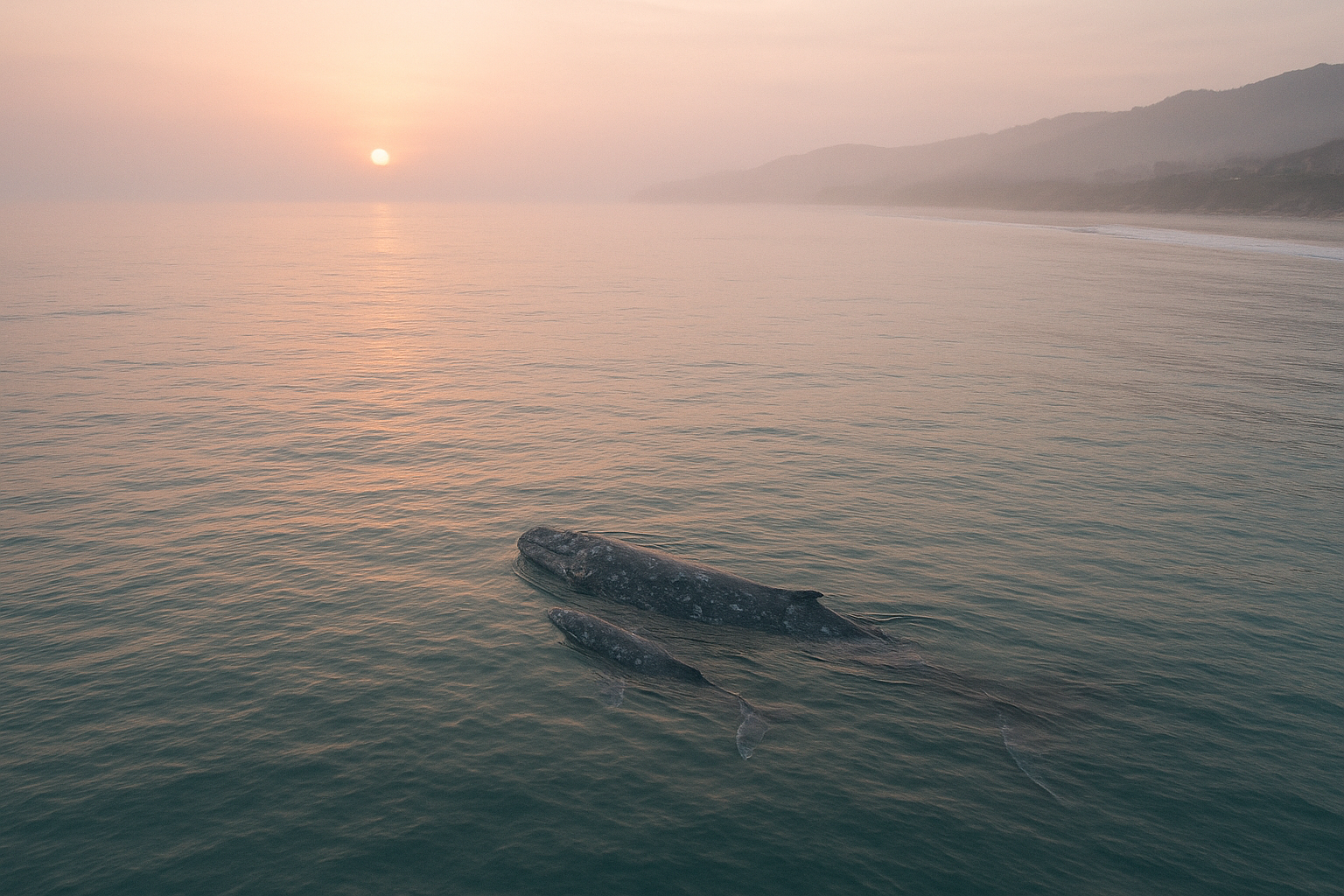
Gray whale mothers and calves pass close to shore during the winter migration season.
Planning Your Year-Round Whale Watching Trip
Because conditions and target species change throughout the year, timing your booking around a specific goal helps. For instance, a traveler hoping to see blue whales should aim for midsummer, while someone chasing gray whale migration should book between January and March. In any case, flexibility on dates improves the odds significantly.
It’s also worth checking whether a tour operates as a public group trip or a private charter, since group size directly affects viewing quality. Likewise, confirming vessel size, engine type, and safety certification before booking ensures a comfortable, low-impact experience. The Scripps Institution of Oceanography notes that well-managed, low-disturbance wildlife viewing supports both visitor experience and marine animal welfare, which is why many Southern California operators follow non-chasing guidelines as standard practice.
Frequently Asked Questions About Year-Round Whale Watching Tours Southern California
What is the best time for year-round whale watching tours in Southern California?
There is no single best month because different whales appear in different seasons. Gray whales pass by from December through April, blue and fin whales feed offshore from June through September, and dolphins and humpbacks are seen in many other months.
Which whale species can you see off the coast of San Diego?
San Diego’s waters host gray whales, blue whales, fin whales, humpback whales, and occasionally orcas, along with common and bottlenose dolphins. Sightings vary by season and ocean conditions.
How long do whale watching tours typically last?
Standard whale watching tours usually run three to four hours, while full-day expeditions can last six hours or more. Tour length often depends on how far the boat needs to travel to reach active feeding grounds.
Are year-round whale watching tours Southern California operators able to guarantee sightings?
No reputable operator can guarantee a sighting because whales are wild animals that move unpredictably. However, experienced naturalists who track recent sighting data and ocean conditions greatly improve the odds.
What makes small-group whale watching tours better than large commercial boats?
Small-group boats capped at six to twelve passengers offer quieter engines, lower profiles, and 360-degree viewing without crowding. This also allows the captain to position the vessel more thoughtfully around wildlife.
How much do private whale watching charters cost compared to public group tours?
Private and semi-private charters typically cost more per person than large public boats because the group size is much smaller. In exchange, passengers get closer naturalist access, flexible timing, and a quieter, less crowded experience.
What should I bring on a whale watching tour?
Bring layered clothing, sunscreen, polarized sunglasses, and a camera or binoculars. Motion sickness medication is also wise for sensitive travelers heading offshore.
Can photographers and filmmakers book specialized whale watching tours?
Yes, some operators run photographer- and filmmaker-friendly charters with stable, low-profile hulls and unobstructed viewing platforms. These boats have supported documentary crews filming marine wildlife along the Southern California coast.
Is whale watching safe for young children?
Whale watching is generally safe for families, especially on stable, Coast Guard-inspected vessels with small groups. Parents should still check minimum age guidance and weather conditions before booking.
What is the difference between semi-private and private whale watching tours?
A private tour books the entire boat exclusively for one group, while a semi-private tour shares a small vessel with a few other passengers, often capped around six. Both differ from large public boats carrying dozens of people.
Do whale watching tours in Southern California operate in winter?
Yes, winter is actually peak season for gray whale migration along the Southern California coast, running roughly from December through April. Many operators run tours year-round rather than pausing in the colder months.
What other marine life might I see besides whales?
Beyond whales, tours commonly spot dolphins, sea lions, and seabirds, while summer snorkel trips may encounter ocean sunfish and kelp paddy ecosystems. Sightings depend on season and location.
What is the most common mistake people make when booking a whale watching tour?
The most common mistake is booking the largest, cheapest boat without checking group size or viewing access. Smaller, naturalist-led vessels usually offer a far better experience even at a higher price point.
Final Thoughts
In the end, year-round whale watching tours Southern California give travelers a reason to head offshore in any month, not just during the traditional winter migration. From gray whales gliding past in January to blue whales feeding offshore in August, the Southern California coast stays active across the calendar. Choosing a small-group, naturalist-led charter with a stable, quiet vessel tends to make the difference between a distant glimpse and a genuinely memorable encounter. Whether the goal is a family outing, a photography expedition, or a private charter for a special occasion, planning around the seasonal patterns described here will help make the most of every trip onto the water.