

Whale watching San Diego trips put you closer to blue whales, gray whales, dolphins, and — on lucky days — orcas than almost anywhere else on the West Coast. Because the city sits directly on a major migration corridor, sightings happen for most of the year, not just during a short window. However, not every boat delivers the same experience: group size, captain skill, and naturalist knowledge all change what you actually see and how close you get to see it.
This guide covers everything a competing tours page typically leaves thin: exact seasonal timing, how pricing and boat types compare, what a sighting guarantee actually means, what to pack, and the low-impact viewing standards that separate a respectful operator from a crowded, rushed one. By the end, you should know exactly which San Diego whale watching tour fits your trip — with zero reason to keep searching.
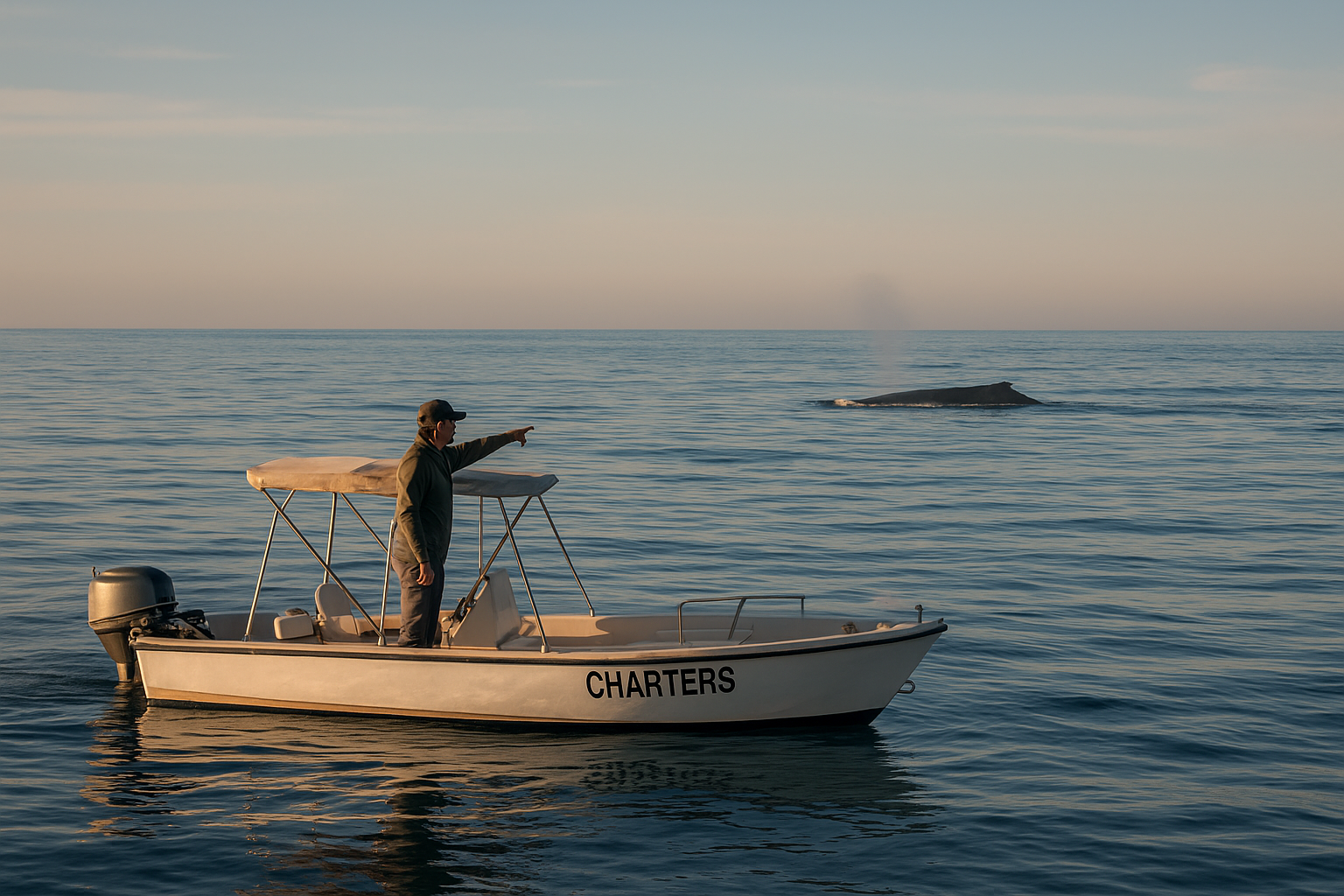
A small-group charter navigating calm waters during a San Diego whale watching excursion.
A genuinely good whale watching San Diego trip means a small boat, a marine-biologist naturalist narrating in real time, and a captain who approaches wildlife quietly instead of racing to be first on scene. Instead of standing shoulder-to-shoulder with a hundred strangers on a packed upper deck, guests on a small-group charter get unobstructed sightlines and direct answers to their questions.
Most trips launch from dedicated marinas along the coastline, with Seaforth Marina serving as a common departure point for boats heading toward La Jolla Canyon and offshore feeding grounds. As a result, travel time to productive whale habitat is often shorter than from harbors farther north or south, which means more time actually watching whales instead of just driving the boat out and back.
If you’d rather skip straight to checking live dates, you can browse upcoming whale watch departures before reading further.
San Diego sits directly along the migratory path used by gray whales traveling between Alaska and Baja California, Mexico. Because this corridor runs close to shore, boats can reach whale activity without long open-ocean crossings — a real advantage compared with destinations where you spend most of the trip just getting to the sighting zone.
In addition, the nutrient-rich waters off La Jolla Canyon attract blue whales, humpbacks, and fin whales during summer feeding months. According to NOAA Fisheries, blue whales can reach lengths of nearly 100 feet, making them the largest animals known to have ever lived. Gray whales, meanwhile, complete one of the longest migrations of any mammal on Earth, as documented by NOAA’s gray whale species profile. Consequently, spotting either species off San Diego is considered a signature wildlife experience for many visitors.
Researchers from the Scripps Institution of Oceanography study this same corridor year-round, which explains why several San Diego charters employ Scripps-trained naturalists rather than general tour guides — the science behind every sighting is current, not recycled trivia.
Timing matters more than almost any other factor when planning a trip. Gray whales pass through from December to April, while blue whales and humpbacks dominate sightings from June through September. Meanwhile, dolphins and sea lions stay active in the region throughout most of the year, so a sighting of some kind is likely on nearly any date you book.
Gray whale season offers the most predictable sightings since animals travel close to shore in large numbers during migration. Blue whale season, on the other hand, requires venturing farther offshore toward feeding zones near La Jolla Canyon. Orcas appear less frequently, though sightings have increased in recent years according to regional naturalist reports referenced in our guide to whales and dolphins found in San Diego waters.
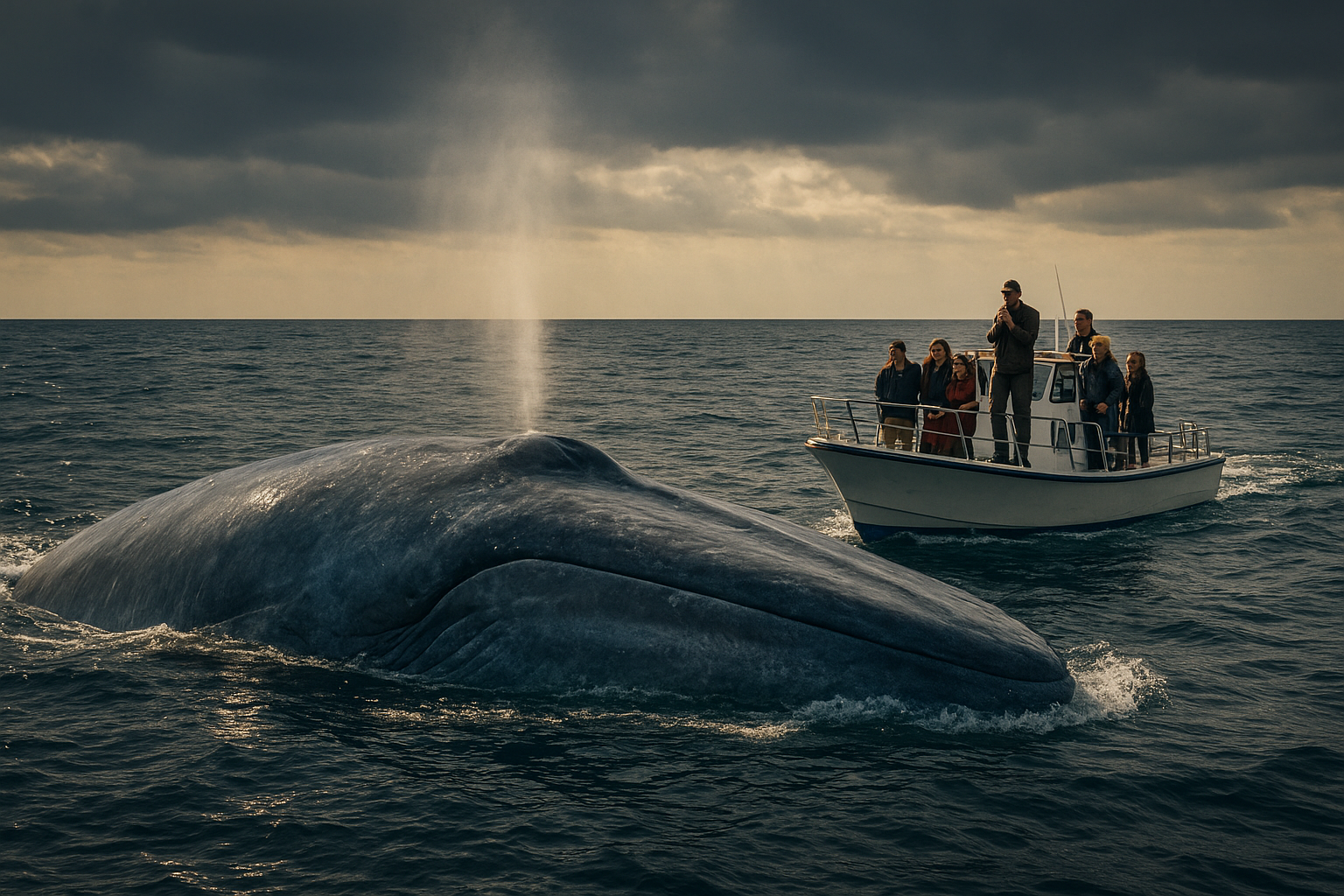
Blue whale season draws photographers and families seeking close, low-impact encounters.
Not every San Diego whale watch charter is built the same way, and price alone doesn’t tell you much about quality. Instead, compare group size, boat type, and trip length together before booking:
For travelers weighing these formats side by side, our best whale watching tour options in San Diego breakdown goes deeper on boat specifications, while our small-group wildlife adventure tours page details what a semi-private trip actually includes.
Small-group charters generally cap passengers around six, with room for up to twelve during special occasions. Because of this limit, guests often move freely around the deck for 360-degree viewing rather than staying seated in one fixed section for the entire trip.
Trips led by a Scripps Institution of Oceanography-trained marine biologist add scientific context to every sighting, from feeding behavior to migration timing. This matters, since a narrated explanation of *why* a whale is surfacing a certain way turns a quick glimpse into something you actually remember.
Selecting the right charter takes a bit of research, but the following steps narrow the field quickly and help you avoid a disappointing trip:
For a closer look at prime locations, our guide to the best spots for whale watching in San Diego maps out where boats typically head each season.
Photographers and filmmakers need more than a good seat; they need a stable platform with unobstructed sightlines. Low-profile hulls, quiet outboard engines, and open deck layouts reduce vibration and noise that can spook wildlife or ruin a carefully timed shot.
Some San Diego charters have supported film crews from major wildlife documentary productions, which speaks to the reliability of their equipment and positioning skills. Above all, this level of experience matters when timing a shot around unpredictable animal movement, since whales rarely surface on cue.
Responsible operators avoid chasing or crowding whales, instead positioning boats at a respectful distance and letting animals approach on their own terms. This approach reduces stress on marine mammals and, in many cases, actually results in longer, calmer sightings than an aggressive chase ever would.
These practices align with guidance from marine research organizations, including the Marine Mammal Protection Act, which sets federal standards for minimizing disturbance to whales and dolphins in U.S. waters. Families planning a private trip can review options through our 2026 private whale watching charter guide for season-specific booking details.
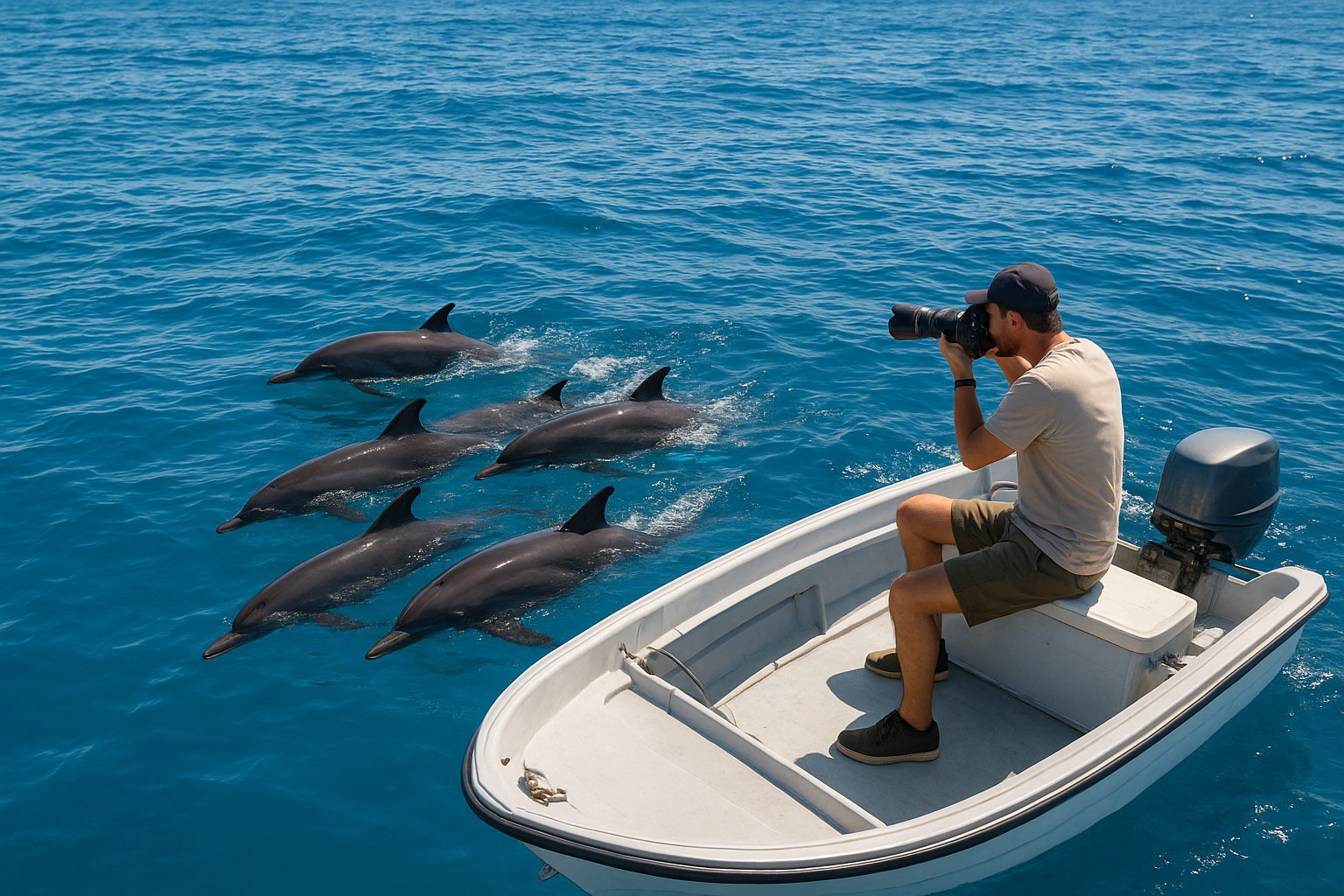
Low-impact viewing practices keep dolphins and whales relaxed near the boat.
Ocean temperatures off San Diego run cooler than the air on land, even in summer, so preparation genuinely changes how much you enjoy the trip. The following items cover almost every situation:
No reputable company can promise a specific whale sighting, since these are wild animals following natural migration and feeding patterns rather than a schedule. That said, many operators offer a free rebooking voucher if dolphins or whales aren’t spotted on a given trip, which is worth confirming before you pay. In practice, San Diego’s sighting rate stays high year-round simply because dolphins are present almost every outing, even on slower whale days.
Therefore, when comparing operators, always check their stated policy in writing rather than assuming a guarantee exists. A transparent rebooking policy is one of the clearest signs of a trustworthy, top-rated company.
Whale watching San Diego trips combine consistent whale sightings, small passenger groups, naturalist expertise, and strong safety standards on most quality-run tours. These trips typically feature Coast Guard-inspected vessels and low-impact, non-chasing viewing practices rather than aggressive pursuit of wildlife.
Gray whales migrate past San Diego from December through April, while blue whales and humpbacks are most common from June through September. Consequently, many operators run tours year-round to cover both migration windows and the steady dolphin activity between them.
Large public tours often run roughly $45–$75 per adult, while small-group or semi-private charters typically cost $129–$199 per person. Private full-boat charters generally range from $1,200–$2,800 depending on season and boat size.
Standard tours run three to four hours, while full-day expeditions can last six to eight hours. Longer trips allow more time to reach offshore feeding grounds where whales are actively present during peak season.
San Diego waters host gray whales, blue whales, humpback whales, fin whales, orcas, and multiple dolphin species depending on season. Blue whales are especially notable since they are the largest animals known to have lived on Earth.
Small-group tours generally offer closer viewing angles and quieter engines than large passenger boats. In contrast, large vessels can carry more guests but may limit maneuverability and personal space around wildlife.
Guests should bring layered clothing, sunscreen, and a fully charged camera. For snorkel excursions, bringing your own snorkel or freedive gear is recommended since rental equipment is not provided.
Yes, whale watching is generally safe for families when tours use Coast Guard-inspected boats with stable, low-profile hulls. Naturalist-led trips also add an educational element that keeps younger passengers engaged throughout the trip.
First-time visitors often skip layered clothing and underestimate ocean temperatures. Another common mistake is booking the cheapest, largest boat without checking group size, which can reduce viewing quality significantly.
No operator can guarantee sightings since whales are wild animals following natural feeding and migration patterns. That said, experienced captains and naturalists significantly improve the odds by tracking recent sighting reports, and many offer a free rebooking voucher as a fallback.
Yes, photographer- and filmmaker-friendly charters use quiet outboard engines and 360-degree viewing access for unobstructed shots. Some vessels have supported professional film crews working on wildlife documentaries.
Private tours reserve the entire boat exclusively for one group, while semi-private tours cap passengers at a small number, often around six. Both formats prioritize closer wildlife interaction than standard large-group tours.
Reputable operators follow low-impact, non-chasing wildlife viewing guidelines to minimize stress on marine mammals. These practices align with recommendations from marine research institutions focused on responsible ocean tourism.
Blue whale sightings typically peak between July and September off the San Diego coast. During this window, blue whales feed on dense krill concentrations found in nearby offshore waters.
Most tours launch from marinas along San Diego Bay, with Seaforth Marina a common departure point for boats heading toward La Jolla Canyon. Shorter travel distances to productive habitat mean more time actually watching wildlife.
Most marinas offer nearby public or paid parking lots within a short walk of the dock. It’s worth confirming exact parking details with your chosen operator when you book, since availability can vary by season.
Booking a whale watching San Diego charter typically involves choosing a season, group size, and boat type, then reserving directly through the operator’s website. Early booking is recommended during peak migration months, and you can explore available dates at bigbluephotoboat.com.
Finding the right whale watching San Diego experience ultimately comes down to four things: a small, well-run boat, a knowledgeable naturalist, transparent pricing, and respectful, low-impact viewing practices. Whether the goal is a family outing, a photography session, or a full-day expedition chasing blue whales, choosing an operator that checks these boxes leads to a far more memorable trip than picking the first large boat you find. As always, booking early during peak migration months gives you the best chance at securing a spot on the water.