

San Diego whale watch tickets give you a seat on one of the most reliable wildlife encounters on the West Coast. The experience is best on a small, naturalist-led boat that follows the animals instead of a fixed cruise route. Gray whales, blue whales, and dolphin pods move through these waters for much of the year. This guide explains what your ticket covers, what it should cost, and when to buy. It also compares small-group tours with large commercial cruises and answers the questions travelers ask before they book.
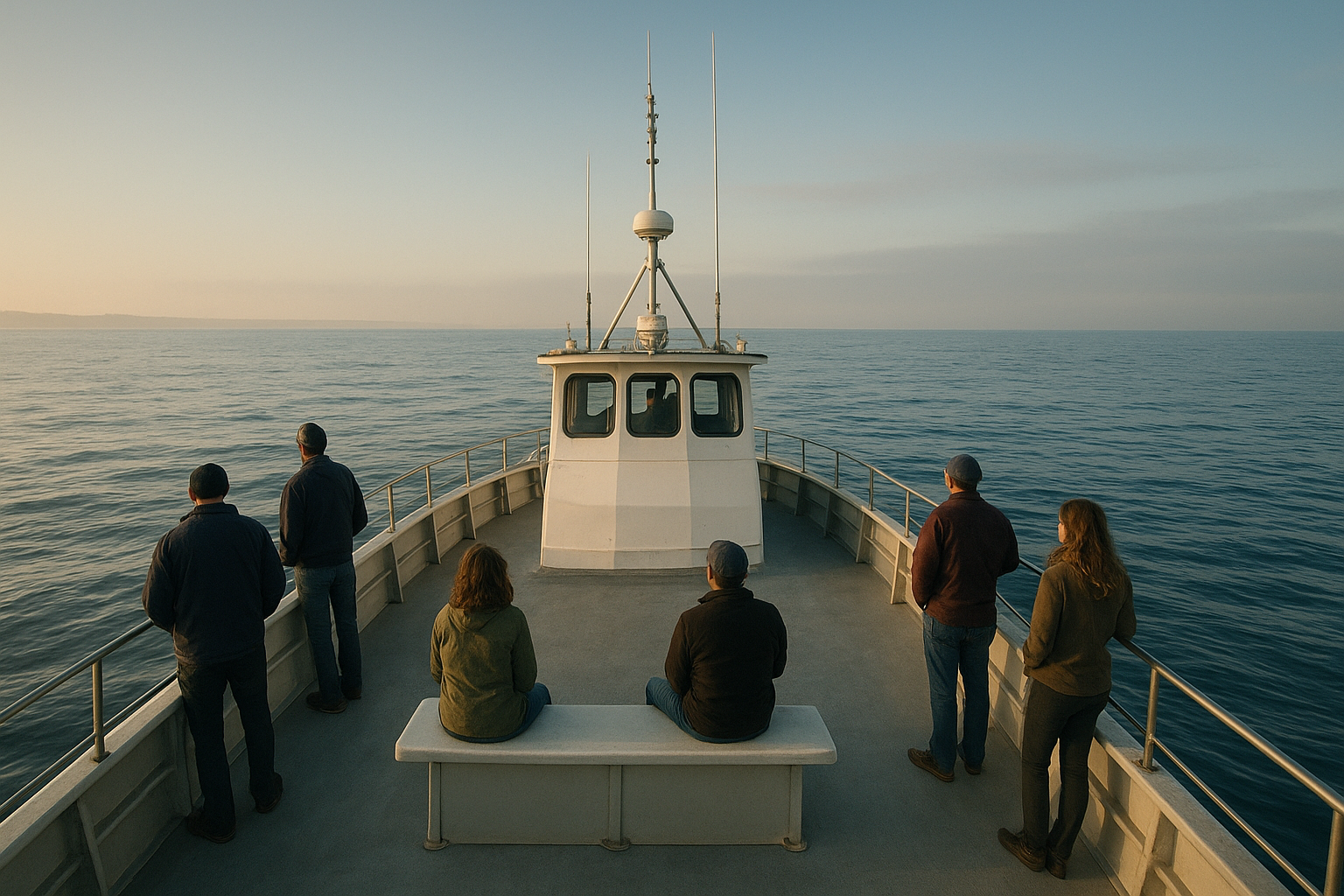
Small-group tours make it easier to use san diego whale watch tickets for close, unobstructed viewing. For a deeper walkthrough, see our Can Families Join Semi-Private Dolphin Watching Tours in San Diego?.
San Diego whale watch tickets are reservations for a seat aboard a boat tour that searches coastal waters for whales, dolphins, and other marine life. Each ticket generally specifies a departure date, tour type, and group size, and it locks in your spot on that particular trip.
Unlike a walk-up bus tour, a whale watching ticket is tied to a real vessel with limited capacity. As a result, popular dates can sell out, particularly during peak blue whale season. Ticket types also differ. A private charter reserves the entire boat, while a semi-private ticket shares the vessel with a few other guests, usually capped around six passengers.
Because these tours depend on live animal behavior, no operator can honestly promise a sighting on every trip. However, boats that track recent reports and stay in contact with other captains tend to post stronger sighting rates. Therefore, ask how an operator plans its routes before you buy. That detail shapes the experience far more than the price alone.
Large commercial cruises can carry well over a hundred passengers, which often means crowded rails and limited narration. In contrast, a small-group whale watching tour San Diego travelers book directly typically caps at six to twelve guests. Every passenger gets a clear view when a whale surfaces, instead of a scramble toward one side of the boat.
| Feature | Large commercial cruise | Small-group tour |
|---|---|---|
| Passengers | Often 100+ | About 6 to 12 |
| Viewing space | Shared rails, multiple decks | Room to move, 360-degree views |
| Narration | Broadcast to the whole boat | Personal, question-friendly |
| Photography | Competing for rail space | Easier positioning before a breach |
| Price per seat | Usually lower | Usually higher |
Furthermore, small groups usually travel with a trained naturalist rather than a general tour guide. A marine biologist trained at the Scripps Institution of Oceanography, for example, can explain feeding behavior, migration timing, and species identification in real time. That context turns a simple sighting into a lesson, which matters for curious kids and for photographers anticipating a whale’s next move. For a closer look at who leads these trips, read our guide to the marine biologist-led whale watching tours in San Diego.
Stable, low-profile, Coast Guard-inspected boats with 360-degree viewing also help anyone bringing a camera or drone. Since fewer people compete for space, photographers and filmmakers can set up before a breach happens. Consequently, many photography-focused travelers seek out small-group operators rather than the first large cruise they find online.
Timing matters more than most first-time visitors expect. San Diego’s whale watching calendar splits into two major windows, and each favors a different species. For a deeper walkthrough, see our San Diego Dolphin Tour: What to Expect Onboard Guide.
From roughly June through September, Southern California hosts one of the largest seasonal concentrations of blue whales anywhere on Earth, according to the American Cetacean Society. These are the largest animals to have ever lived. Summer feeding conditions draw them close to the San Diego coast.
In contrast, gray whales pass through from December through April as they migrate between Alaska and Baja California. NOAA Fisheries estimates that around 20,000 gray whales make this journey along the California coast each year. This makes winter and early spring a strong window for reliable sightings. Because the two seasons barely overlap, buying San Diego whale watch tickets for the wrong month can mean missing your target species.
Early in the gray whale season, southbound whales tend to travel closer to shore. On the return trip north, they often swim farther out. As a result, a spring departure may run farther from the coast than a winter one. Fin, humpback, and minke whales also appear at times, and dolphins and sea lions are frequent bonus sightings. You can read more about this species on Wikipedia’s gray whale page.
Morning trips often start with calmer water, which helps anyone prone to seasickness. Afternoon trips can offer warmer light for photos. Neither guarantees more whales, so choose the slot that fits your schedule and comfort.
Weekends and holidays during both windows tend to sell out first. As a result, booking two to three weeks ahead is a reasonable rule of thumb. Special occasion charters and larger groups should be arranged even earlier.
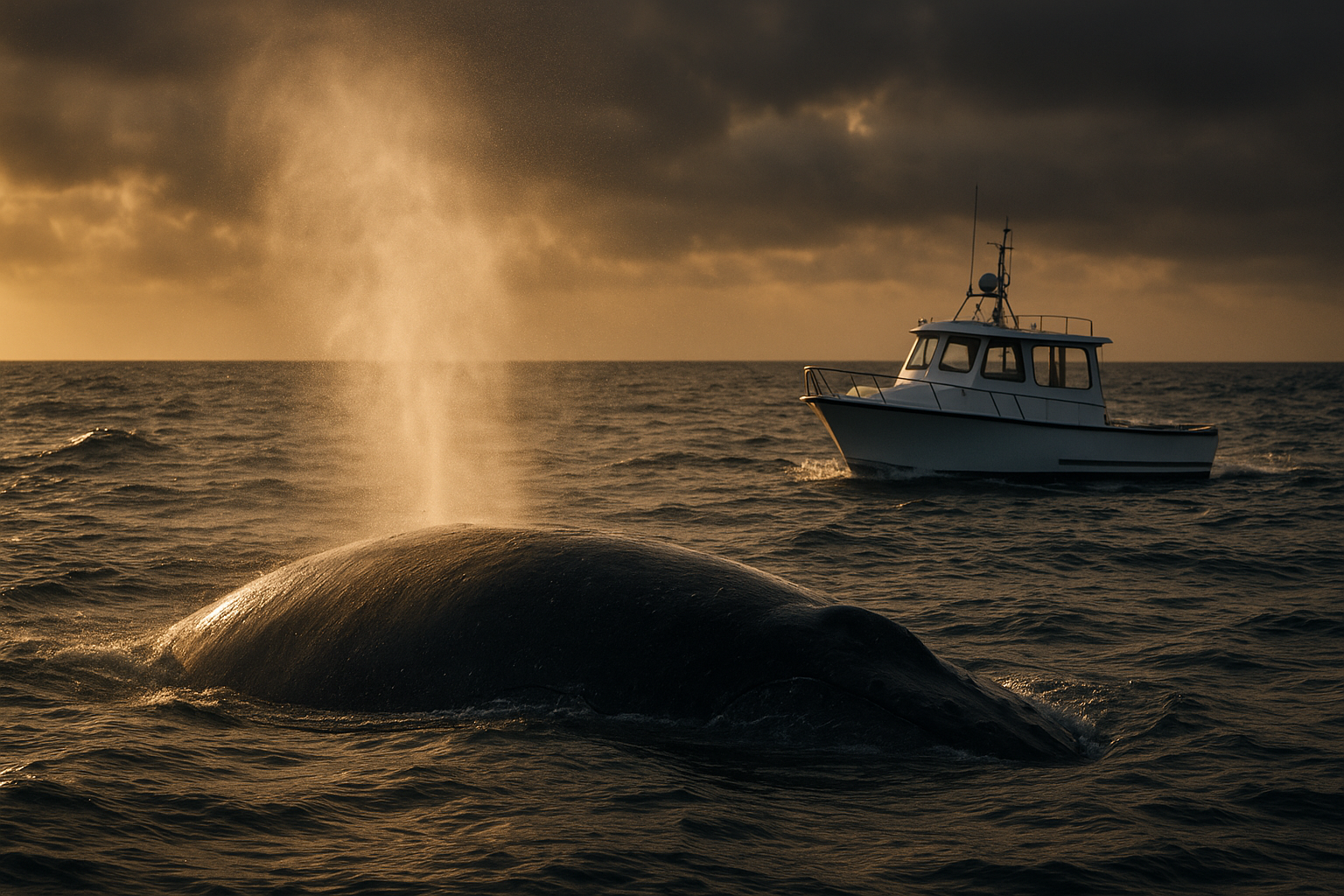
Seasonal timing plays a major role in which species guests encounter on the water.
Booking does not need to be complicated. The process generally follows four straightforward steps.
For a closer look at how the process works from start to finish, this step-by-step booking guide covers additional details, including what information to have ready when you call.
Most whale watching tour tickets include the boat trip itself, naturalist narration, and access to open viewing areas around the vessel. Many small-group operators also offer inflatable paddle board access on request. Some also run drone-friendly operations for filmmakers who want aerial coverage of a sighting.
However, it is worth noting what is not included. Snorkel and freedive gear, for instance, is not provided on whale watching tickets. That equipment applies to separate seasonal snorkel excursions where guests bring their own gear. Similarly, scuba diving that requires certification is a different activity and falls outside standard whale watching packages.
Because inclusions vary by operator, confirm exactly what a specific ticket covers. This whale watch tour overview outlines what a typical small-group departure includes, from naturalist guidance to onboard amenities.
Pricing for San Diego whale watch tickets depends on tour length, group size, exclusivity, and season. A shared semi-private seat generally costs less than a fully private charter, since the private option reserves the entire boat. For a deeper walkthrough, see our Private Whale Watching Charter in San Diego 2026.
For a benchmark, large-vessel half-day cruises in San Diego have recently listed adult fares of roughly $54 to $57 and child fares of roughly $40 to $43, with weekends costing a few dollars more. Always check current prices, because fares change by season. Small-group seats usually cost more per person. In exchange, you get fewer passengers, more naturalist attention, and a better view.
Full-day expeditions also command higher prices than standard half-day trips. They travel farther offshore and require more crew time. Meanwhile, custom charters built around a proposal or corporate event are typically priced individually. In particular, peak-season weekends during blue whale months often carry premium pricing due to demand. For that reason, compare a small-group tour option against a large cruise. The smaller trip often delivers a noticeably different experience for a comparable price. For a wider comparison, see our roundup of top-rated whale watching tours and charters in San Diego.
A semi-private ticket suits couples, solo travelers, and small families who want a shared but uncrowded boat. A private ticket suits celebrations, multi-family trips, and photographers who want to set the pace. Our breakdown of private and semi-private whale watching tours in San Diego explains which format fits which group.
Whale movement is not evenly distributed along the coast. La Jolla Canyon, for example, drops off steeply close to shore. That draws deep-water species like blue whales relatively near the coastline compared to flatter stretches farther south.
Offshore waters beyond Point Loma also see frequent gray whale traffic during migration months, since the animals follow a fairly consistent nearshore path. Consequently, operators familiar with these routes can adjust quickly when sighting reports come in from nearby boats.
For a deeper breakdown of where sightings cluster throughout the year, this guide to the best spots for whale watching in San Diego covers seasonal hotspots in more detail. Travelers can also review general trip planning resources at bigbluephotoboat.com before finalizing a booking.
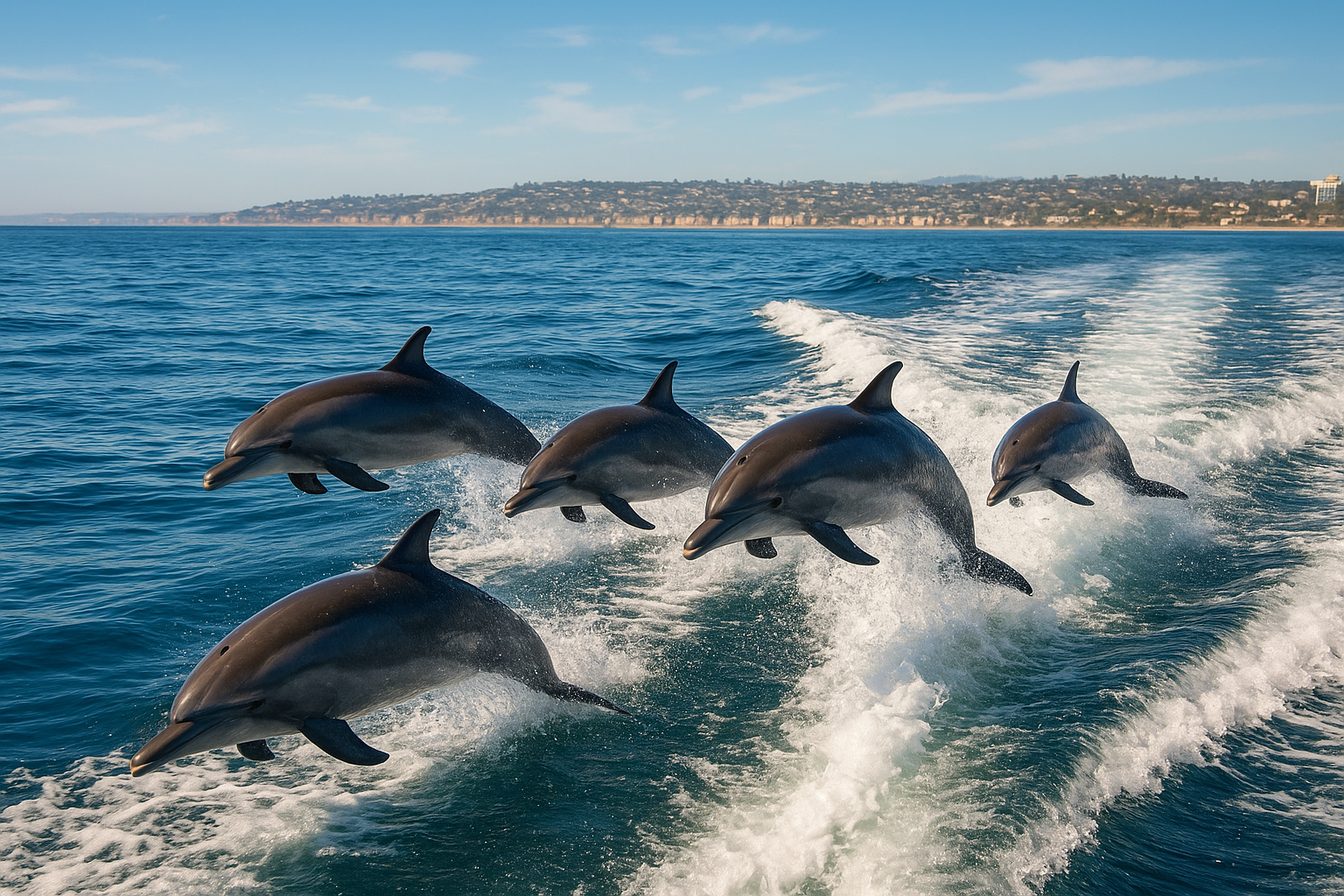
Dolphin encounters often accompany whale sightings on the same San Diego tour.
Choose a seat near the middle of the boat and watch the horizon. In addition, avoid heavy meals before boarding. Operators may cancel or reschedule when conditions are unsafe, so ask about the weather policy before you buy.
Responsible operators follow federal marine mammal viewing guidelines from NOAA Fisheries and keep a respectful distance. Expect smoking to be prohibited, and ask about accessibility and pets before booking. Good operators also welcome service animals and will answer accessibility questions directly.
Pricing varies by tour type, group size, and season. Large-boat cruises have recently listed adult fares around $54 to $57, while small-group tours usually cost more per seat. Full-day expeditions and custom charters cost more than half-day outings because of the added time and dedicated crew attention.
Buy one to three weeks before your preferred date for small-group tours. Peak blue whale season (June through September) and gray whale migration (December through April) can fill faster. Weekends, holidays, special occasion charters, and groups of up to twelve passengers should be reserved earlier.
A private tour reserves the entire boat for your group. A semi-private tour shares the vessel with other small parties, typically capped at six passengers. Both formats keep group sizes far smaller than standard commercial whale watching cruises.
Whale watching tickets do not include snorkel or freedive equipment. Guests booking a separate snorkel excursion are expected to bring their own gear. The whale watching tour itself focuses on wildlife viewing rather than in-water activity. For a deeper walkthrough, see our Can I Bring My Own Snorkel Gear for Big Blue Photo Boat Snorkel Tours?.
Depending on the season, visitors may spot blue, gray, humpback, and minke whales, plus several dolphin species. Blue whales are most common in summer. Gray whales migrate through in winter and early spring.
Standard tours typically run three to four hours. Full-day expeditions can extend six hours or more to reach farther offshore feeding grounds. Length usually depends on the season and the type of ticket purchased.
Layered clothing, sun protection, a fully charged camera, and any personal medication for motion sensitivity are all recommended. Binoculars help spot distant blowholes. A light jacket is useful since ocean breezes feel cooler than expected on shore.
Yes, small-group whale watching tours on Coast Guard-inspected, stable vessels are generally well suited for families, including children. Naturalist guides also keep younger passengers engaged by explaining marine behavior in accessible terms. For a deeper walkthrough, see our Which San Diego Whale Watching Tours Are Led by Marine Biologists?.
Yes, many small-group tours are designed with photographers and filmmakers in mind. They offer stable, low-profile boats with 360-degree viewing for unobstructed shots. Drone-friendly operations are also available for filmmakers who want aerial footage of marine wildlife.
Reputable operators track recent sighting reports and adjust routes, which significantly improves the odds of an encounter. Policies on rebooking or credit for a no-sighting trip vary by company. Confirm this before purchasing tickets.
Custom private charters can be arranged for birthdays, proposals, or corporate events. Contact the operator directly to discuss group size, timing, and special requests. Booking several weeks ahead allows time to plan add-ons like extended routes or flexible departure windows.
Small-group tours cap passenger counts far below large commercial boats, which often carry over a hundred people. Fewer passengers mean better viewing angles, more personal narration from a naturalist, and a quieter experience overall.
Many San Diego whale watching tours depart from Seaforth Marina, located at 1677 Quivira Rd, which provides convenient access to coastal waters and nearby La Jolla Canyon. Other operators leave from downtown piers, so always check your ticket for the exact departure point. For a deeper walkthrough, see our Full-Day Whale Watching Expeditions in San Diego: What to Expect.
Take motion sickness medication before departure, choose a seat near the middle of the boat, and keep your eyes on the horizon. Stable small-group boats and calmer morning departures can also help.
Yes. Operators may cancel or reschedule when sea conditions are unsafe. Ask about the weather policy before you buy your tickets so you know whether you would receive a new date or a refund.
Ultimately, San Diego whale watch tickets are only as good as the tour behind them. A small group, a knowledgeable naturalist, and a stable, photographer-friendly boat tend to matter far more than a flashy brochure. Above all, matching your ticket to the right season gives you the best chance of a memorable sighting. That means summer for blue whales and winter for gray whale migration.
Before booking, confirm what’s included, check the no-sighting and weather policies, and reserve early for peak dates. For additional trip-planning resources and detailed guides on tours and departure points, visit bigbluephotoboat.com. With the right preparation, San Diego whale watch tickets can turn a single morning on the water into one of the most memorable parts of a Southern California trip.
