

San Diego whale watch photos capture some of the most dramatic wildlife moments on the West Coast, from blue whales lifting their flukes at sunrise to gray whales cruising past kelp beds with a calf close behind. Getting a sharp, well-timed shot takes more than luck. It takes the right season, the right gear, and a boat that gets you close without disturbing the animals.
This guide walks through the practical side of whale watching photography near San Diego, including timing, camera settings, boat positioning, and where to find the best sightings. Along the way, we reference guidance from NOAA Fisheries on responsible wildlife viewing distances.
What Are San Diego Whale Watch Photos?
San diego whale watch photos are images captured during boat-based excursions along the San Diego coastline that document whales, dolphins, and related marine life in their natural habitat. They typically show behaviors like spouting, breaching, fluking, or bow-riding, often set against the backdrop of the Pacific coast or La Jolla Canyon.
Because these photos rely on unpredictable wildlife behavior, quality varies widely between trips. However, working with an experienced naturalist crew and positioning yourself correctly on the boat dramatically improves your odds of a usable frame.
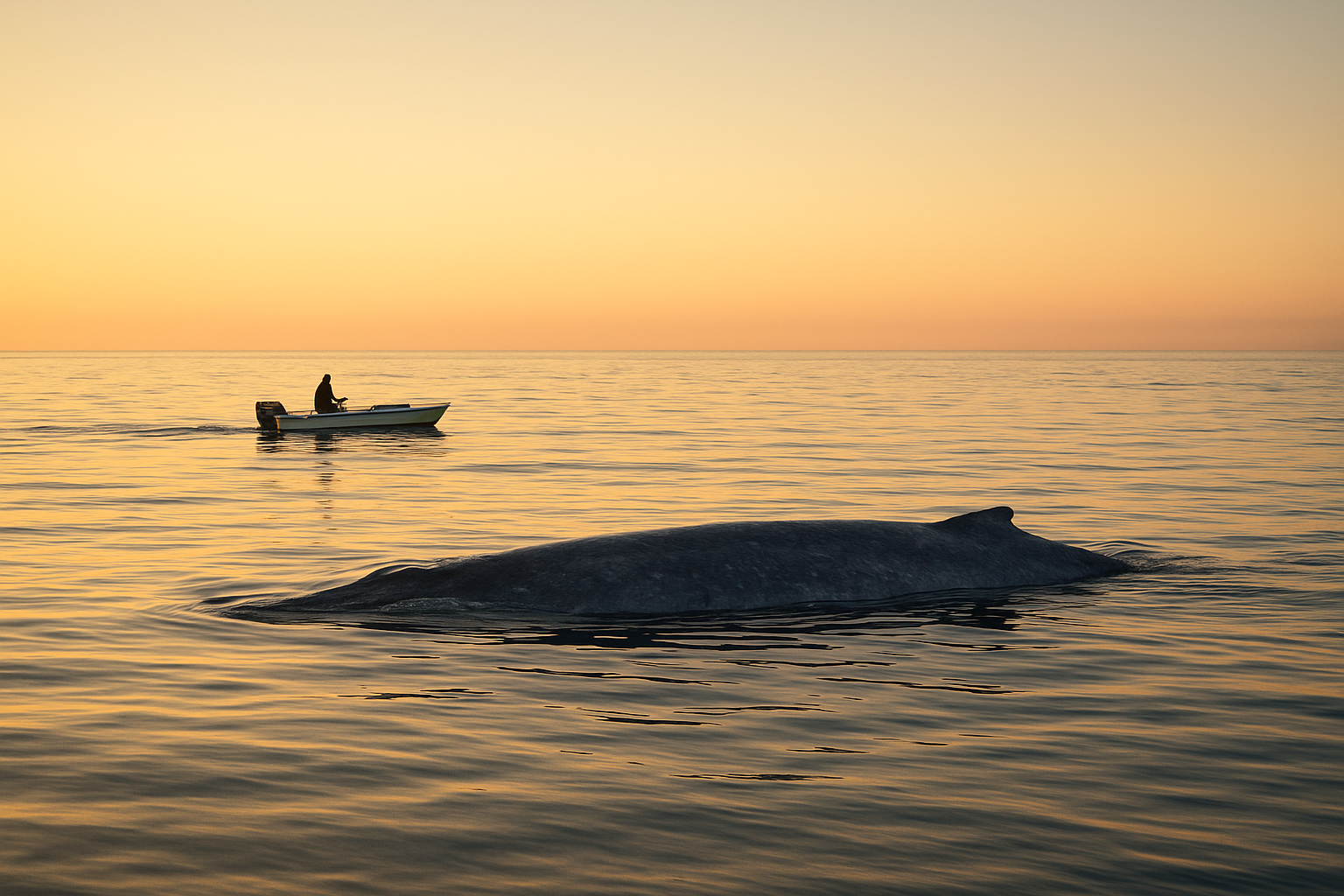
Capturing san diego whale watch photos like this blue whale surfacing depends on timing, patience, and boat positioning. For a deeper walkthrough, see our Private Boat Tour San Diego.
Best Time of Year for Whale Watching Photography in San Diego
Timing matters more than almost anything else in whale watching photography. Specifically, San Diego’s offshore waters see two major migration windows each year. From late June through September, blue whales and humpback whales feed in local waters, drawn by dense concentrations of krill. Blue whales, according to Wikipedia’s overview of the species, can reach nearly 100 feet in length, making them one of the most striking subjects for wide-angle wildlife shots.
In contrast, gray whale season runs roughly from December through April, as the animals migrate between Alaska and Baja California breeding lagoons. This migration is considered one of the longest of any mammal, and it brings whales close enough to shore for dramatic silhouette shots against the coastline.
Dolphins and sea lions, meanwhile, appear year-round and often provide reliable action shots even during slower whale seasons. Therefore, a full-day trip during shoulder months can still produce strong images even without a guaranteed whale sighting.
Essential Gear for Ocean Wildlife Photography
A telephoto zoom lens in the 100mm to 400mm range covers most surfacing and breaching scenarios without requiring a lens change mid-trip. In addition, a fast shutter speed of at least 1/1000 second helps freeze motion on breaches, tail slaps, and splashing water.
Weather sealing matters too. Ocean spray, salt air, and sudden splashes are common on open water, so a weather-resistant camera body or a simple rain sleeve can prevent costly damage. Similarly, a polarizing filter reduces glare off the water’s surface, which often improves color and contrast in midday shots.
Quick tip: Pre-set your camera to burst mode and continuous autofocus before the boat leaves the dock. Whale surfacings often last only two to three seconds, so there is rarely time to adjust settings once the action starts.
How to Photograph Whales From a Small Boat
Following a consistent process helps turn a lucky sighting into a usable photo. Below is a simple sequence that works well aboard small, low-profile charter vessels.
- Prepare camera settings before departure. Set a fast shutter speed, continuous autofocus, and burst mode before leaving the marina so nothing is missed during a surprise surfacing.
- Position on the boat for open sightlines. Choose a spot near the rail with an unobstructed 360-degree view, since whales can surface on either side without warning.
- Watch for spotting cues from the crew. Listen for the naturalist calling out blows or fins, then pre-focus toward that direction rather than waiting for a full surfacing.
- Shoot in bursts during surfacing windows. Fire continuous bursts the moment a whale breaks the surface, since most usable frames happen within just a few seconds.
- Review and adjust between sightings. Check exposure and focus accuracy between encounters, then adjust settings as lighting conditions shift throughout the trip.
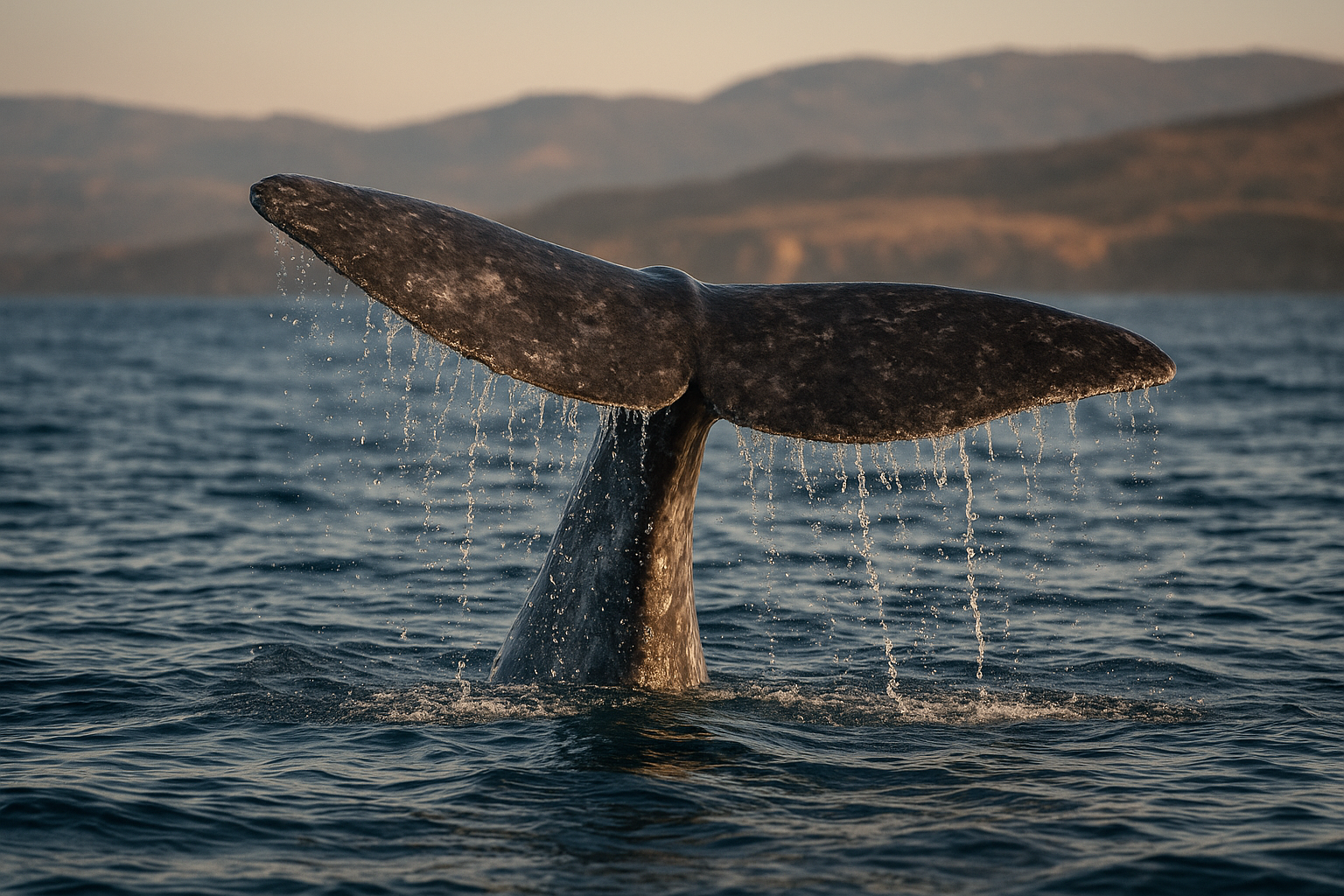
A gray whale fluke breaking the surface is one of the most sought-after shots among whale watching photographers. For a deeper walkthrough, see our What to Expect on Your First Whale Watching Trip.
Where to Find the Best Whale Watching Photo Spots Near San Diego
Location matters as much as timing. La Jolla Canyon, for instance, draws whales close to shore because deep water sits near the coastline, concentrating prey and marine traffic in a smaller area. For a detailed breakdown of prime coastal locations, this guide to the best spots for whale watching in San Diego covers seasonal hotspots in more depth.
Similarly, the offshore waters near Point Loma and the Coronado Islands often produce dolphin pods and occasional orca sightings during winter months. A related overview of the best whale watching spots in San Diego breaks down how conditions shift by month.
Choosing a Photographer-Friendly Whale Watch Tour
Not every whale watching boat is built for photography. Large tour boats often carry dozens of passengers, which limits movement and blocks sightlines when a whale surfaces on the opposite side. In contrast, small groups capped at six passengers, with room for up to twelve on special occasions, allow far more flexibility to reposition quickly.
Operating out of Seaforth Marina, tours led by a Scripps Institution of Oceanography-trained marine biologist pair scientific knowledge with practical positioning advice for photographers. Vessels with stable, low-profile hulls and quiet outboard engines also reduce vibration and noise that can otherwise disturb wildlife or blur a shot. Details on available trip formats can be found on the San Diego whale watch tour page, and general trip planning information is available at bigbluephotoboat.com.
For a broader comparison of tour styles and durations, this overview of the best whale watching tour options in San Diego outlines how private, semi-private, and full-day expeditions differ. For a deeper walkthrough, see our Humpback Whale Feeding Bonanza!.
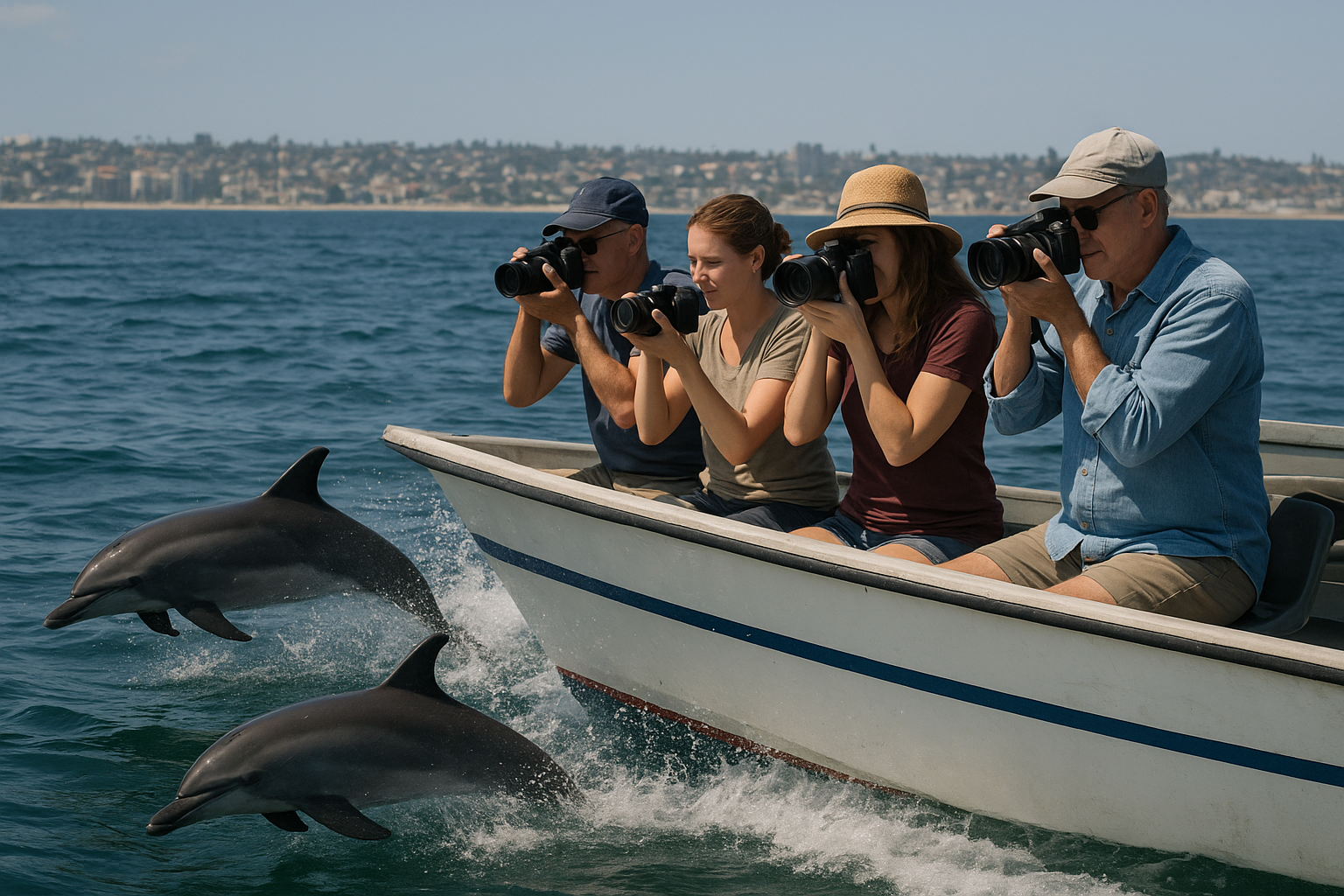
Small groups and low-profile boats give photographers more room to react when dolphins appear.
Low-Impact Practices for Ethical Whale Photography
Getting a great shot should never come at the expense of the animal’s wellbeing. Non-chasing viewing practices, where the boat holds position and lets whales approach on their own terms, tend to produce calmer, more natural behavior anyway. As a result, photos taken this way often look more authentic than images captured during aggressive pursuit.
Following NOAA’s marine mammal viewing guidelines also protects photographers from accidentally disturbing feeding or resting whales. Above all, patience tends to reward photographers more consistently than speed or proximity.
Frequently Asked Questions About San Diego Whale Watch Photos
What is the best time of year to get san diego whale watch photos?
Late June through September is best for blue whale and humpback photos, while December through April offers gray whale migration shots. Winter months also bring frequent dolphin and occasional orca sightings.
What camera gear works best for whale watching photography?
A telephoto zoom lens between 100mm and 400mm handles most surfacing and breaching shots. A fast shutter speed of at least 1/1000 second and weather-sealed housing help freeze motion and protect gear from ocean spray.
How close can boats get to whales for photography in San Diego?
Federal guidelines and low-impact operators keep vessels at a respectful distance and let whales approach on their own terms rather than chasing them. This non-pursuit approach often results in calmer, more natural photo opportunities.
Why do gray whales migrate past San Diego?
Gray whales travel between Arctic feeding grounds and Baja California breeding lagoons each year, passing directly along the San Diego coastline. This annual migration is one of the longest of any mammal on Earth.
How much does a private whale watching photo charter cost in San Diego?
Pricing varies by group size, boat type, and trip length, with private and semi-private charters typically costing more than large group tours. Contacting the operator directly for a current quote based on passenger count is the most accurate approach.
What is the biggest mistake photographers make on whale watching tours?
Keeping the camera glued to one spot near the boat is a common mistake, since whales often surface unpredictably in a wide arc. Scanning the horizon and staying ready with pre-set exposure settings helps capture more usable frames.
Do small boats produce better whale photos than large tour boats?
Small, low-profile vessels generally allow closer eye-level angles and 360-degree shooting access compared to crowded large boats. Fewer passengers also mean more room to move and reposition quickly when a whale surfaces.
Can drones be used to photograph whales near San Diego?
Drone use is possible on some operator-friendly vessels but requires following FAA regulations and marine wildlife disturbance guidelines. Checking with the tour operator beforehand about drone-friendly policies is recommended.
What other marine life might appear in San Diego whale watch photos?
Common dolphins, sea lions, and occasional ocean sunfish frequently appear alongside whales in San Diego coastal waters. Summer trips sometimes capture dolphins riding the bow wave in large, energetic pods.
How long are typical whale watching photo tours in San Diego?
Standard tours usually run three to four hours, while full-day expeditions extend the search area further offshore. Longer trips generally increase the odds of multiple sightings and varied photo angles.
Is seasickness a concern when shooting whale watching photos?
Ocean swells can affect sensitive individuals, so taking motion sickness precautions beforehand is wise. Stable, low-profile hulls tend to reduce rocking compared to taller vessels, which also helps keep shots steadier.
What settings should I use to photograph breaching whales?
A shutter speed of 1/1000 second or faster, continuous autofocus, and burst shooting mode are ideal for unpredictable breaches. Setting the aperture between f/5.6 and f/8 usually keeps enough depth of field for a moving subject.
Final Thoughts on Capturing San Diego Whale Watch Photos
In the end, great san diego whale watch photos come down to preparation, timing, and choosing the right vessel. Blue whales and humpbacks dominate summer trips, while gray whales define the winter migration season, and dolphins provide reliable action shots year-round. Consequently, pairing the correct camera settings with a photographer-friendly boat and an experienced naturalist crew gives every trip the best possible chance at a memorable shot. Whether planning a private charter or joining a semi-private group tour, a little preparation goes a long way toward turning a brief surfacing into a lasting image.