

Private semi-private whale watching tours San Diego are small-group, naturalist-led boat excursions that let guests watch whales and dolphins up close without big crowds. These trips cap passengers at six people, or up to twelve for special occasions, so everyone gets a clear view and direct access to a marine biologist’s expertise. As a result, families, photographers, and filmmakers who want a calmer, more personal way to explore San Diego’s coastal waters often choose this option over large commercial boats. Furthermore, these tours operate year-round, covering seasonal visitors like blue whales, gray whales, humpbacks, and orcas.
Quick Answer: Private semi-private whale watching tours San Diego let small groups of up to six guests share or reserve an entire boat with a marine biologist guide, offering closer wildlife viewing and more flexibility than large public whale watching boats.
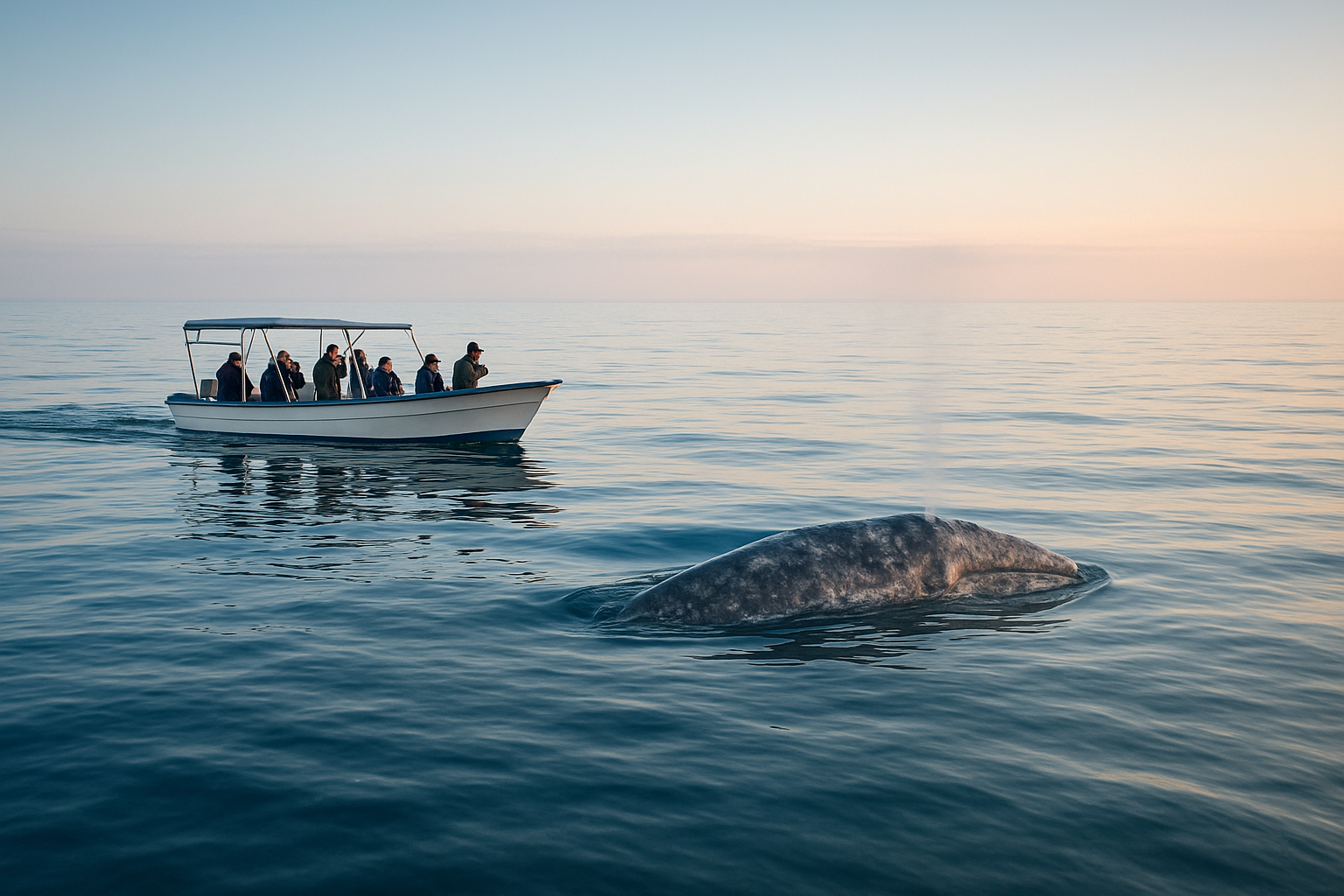
Guests on private semi-private whale watching tours San Diego get an unobstructed, close-up view of surfacing whales.
Private Semi-Private Whale Watching Tours San Diego: What to Expect
On a typical outing, guests meet the captain and naturalist at Seaforth Marina before heading out into San Diego’s coastal waters and, in some cases, toward La Jolla Canyon. Specifically, the boat moves slowly and quietly, since low-impact, non-chasing viewing practices keep stress on the animals to a minimum. The whale watching tour page outlines current departure times and seasonal highlights in more detail.
Because the boats are Coast Guard–inspected and built with stable, low-profile hulls, guests can move around for 360-degree viewing without feeling cramped. In addition, quiet outboard engines mean whales and dolphins are less likely to be startled, which usually leads to longer, closer sightings than louder commercial vessels allow.
What Is the Difference Between Private and Semi-Private Whale Watching?
A private charter means your party reserves the entire boat, so no strangers join the trip. A semi-private tour, however, means individual seats are sold on a small boat that still caps total passengers at around six people. Therefore, even a semi-private booking feels far more intimate than a large public cruise.
Pricing naturally reflects this difference, since a private charter covers the full boat cost while a semi-private seat only covers one spot. For a detailed breakdown, the semi-private tour pricing guide compares both options side by side. Similarly, anyone planning a milestone event should review private charter options for special occasions before choosing a package.
Why Small-Group Whale Watching Tours Beat Large Commercial Boats
Large whale watching boats often carry a hundred or more passengers, which means guests on one side of the boat may miss what’s happening on the other side. In contrast, a six-passenger boat lets every guest stand at the rail with a clear sightline. Above all, a Scripps Institution of Oceanography-trained marine biologist narrates each sighting in real time, explaining behavior like spy-hopping or fluke-up dives as they happen.
Responsible viewing also matters for the animals themselves. According to NOAA Fisheries marine life viewing guidelines, keeping a respectful distance and avoiding pursuit reduces stress on whales and dolphins. Consequently, operators that follow non-chasing practices tend to see calmer, more natural animal behavior, which often results in better, longer encounters for guests and photographers alike.
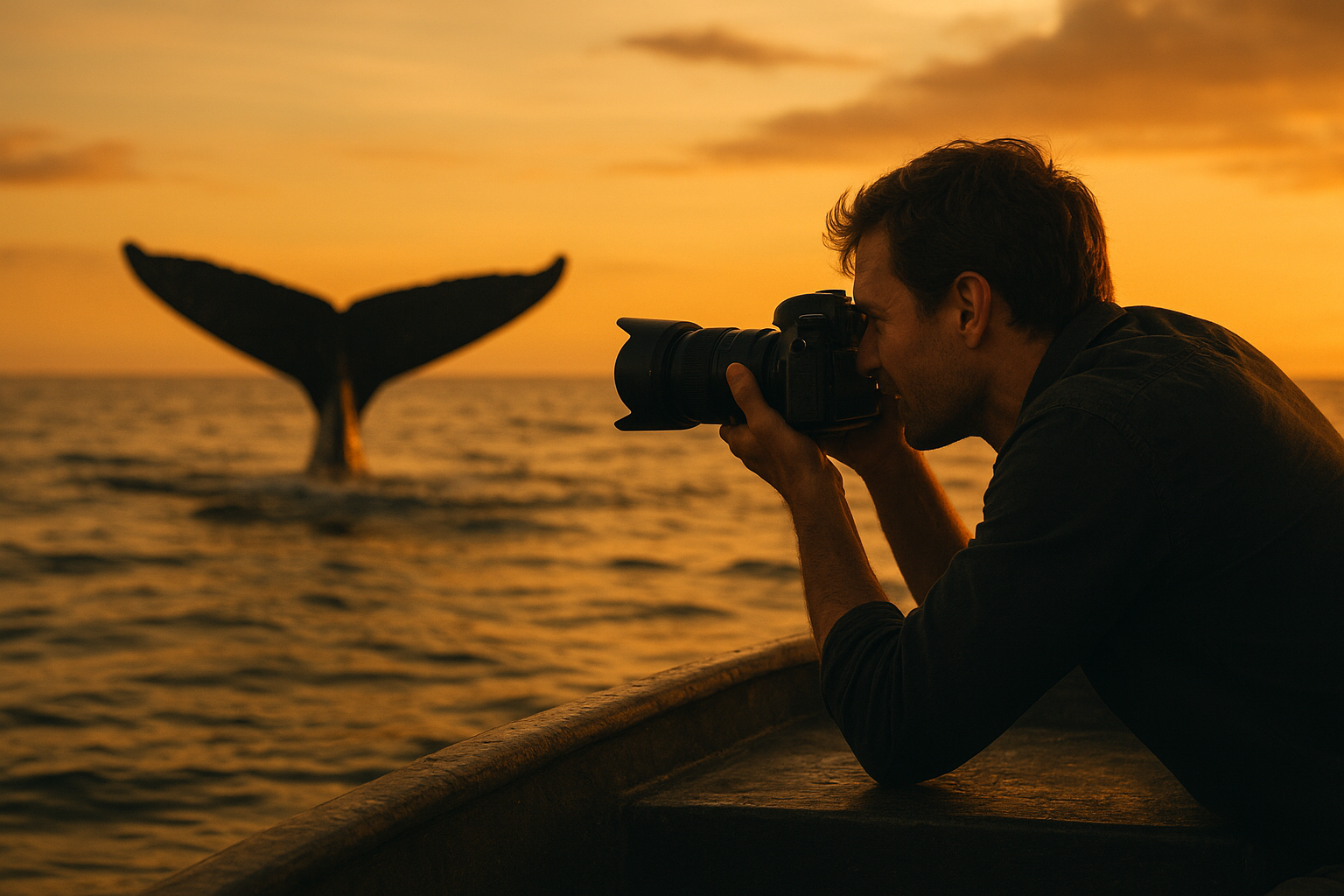
Stable, quiet boats make it easier to photograph whales without disturbing them.
Which Whales and Dolphins Can You See in San Diego Waters?
San Diego’s location along the California coast puts it directly in the path of several migrating species. Blue whales, the largest animals ever known to have lived, typically arrive in summer to feed. In fact, researchers estimate the Eastern North Pacific blue whale population at roughly 1,900 individuals, many of which pass through Southern California waters each season, according to NOAA Fisheries stock assessment data. For background on the species, see the Wikipedia entry on blue whales.
Gray whales, meanwhile, pass San Diego during their long migration between Alaska and Baja California, generally peaking from December through April. The gray whale migration is one of the longest of any mammal on Earth. Humpback whales, fin whales, and occasional orcas round out the sighting list, while dolphins are visible nearly year-round. Summer trips also bring a chance to see ocean sunfish, kelp paddies, and sea lions on seasonal snorkel excursions.
How to Book Private Semi-Private Whale Watching Tours in San Diego
Booking a small-group trip is straightforward once you know what to decide first. Follow these steps to plan a tour that fits your group and goals.
- Decide whether you want a fully private charter that reserves the entire boat for your group, or a semi-private tour where you share the small six-passenger boat with other guests who are also there for the same date.
- Pick a season based on which marine animals you most want to see, since blue whales are common in summer while gray whales migrate past San Diego in winter and spring.
- Check the tour calendar for available dates, and build in some flexibility because ocean conditions and weather can shift the best viewing days.
- Reserve your spot directly through the tour operator’s website or by phone, and mention any special requests such as camera equipment, drone use, or paddle board access in advance.
- Arrive at Seaforth Marina early with layered clothing, sun protection, motion sickness remedies if needed, and your own snorkel or camera gear so you are ready when the boat departs.
For a closer look at what sets one small-group operator apart from the rest, the small-group whale watching tour overview explains boat specs, group sizes, and naturalist credentials in more depth.
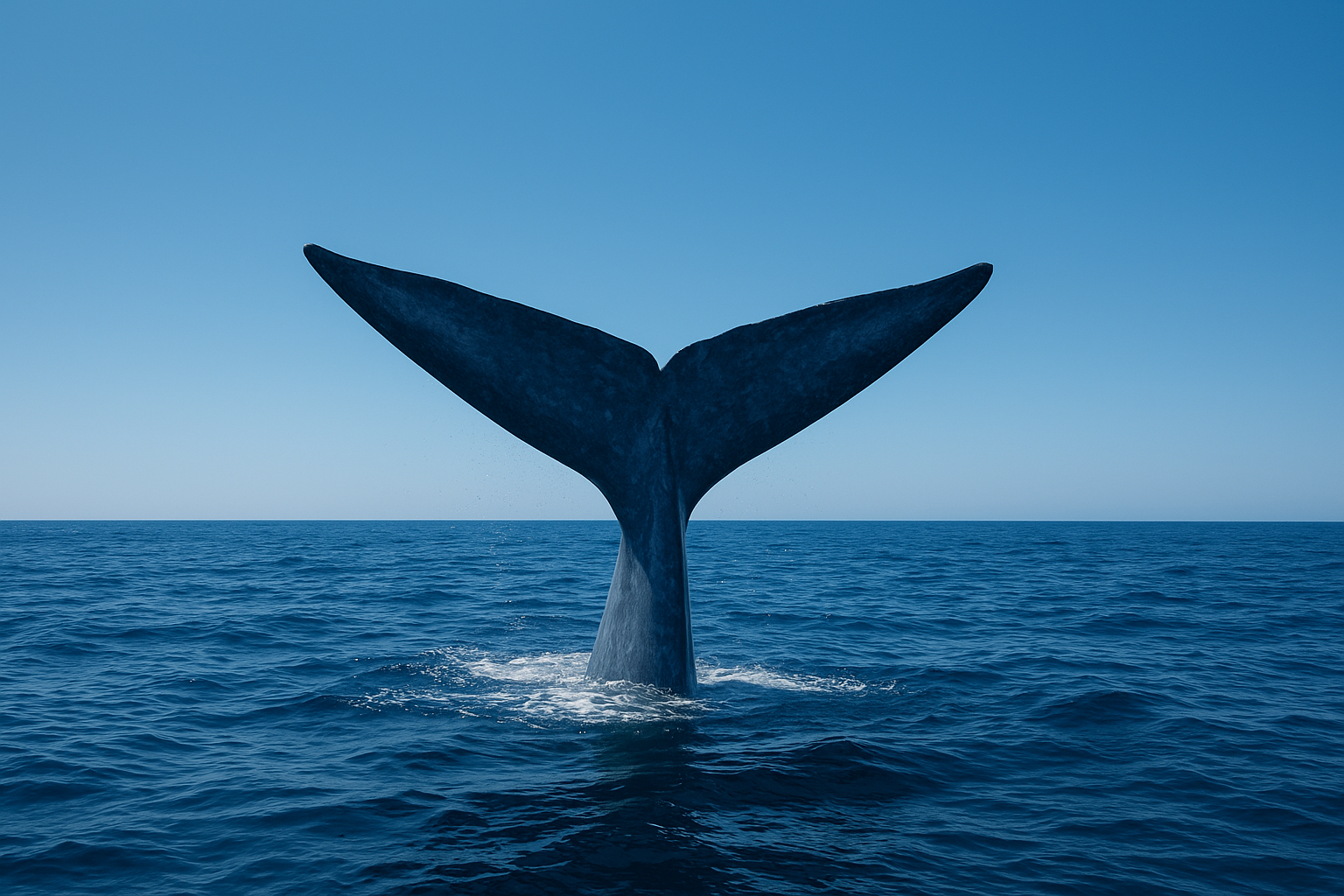
Summer brings some of the best blue whale sightings off the San Diego coast.
Photography and Filmmaking Aboard Small-Group Boats
Photographers and filmmakers need stable platforms and unobstructed angles, which is exactly why low-profile hulls and 360-degree access matter so much. Boats built this way have supported crews from BBC Earth, National Geographic, and Discovery Channel, since quiet engines reduce both animal disturbance and engine noise in recorded audio.
Drone-friendly operations also give filmmakers more creative options from above the water. For an example of this kind of setup in practice, visit Big Blue Photo Boat, which operates photographer- and filmmaker-friendly vessels out of Seaforth Marina.
Custom Charters for Special Occasions and Corporate Events
Beyond standard tours, many guests book a boat for proposals, anniversaries, birthdays, or team-building outings. Because group sizes can expand to twelve for special occasions, these charters work well for small celebrations that still want a personal, uncrowded feel on the water.
The special occasion charter options page covers package details, while the Scripps Institution of Oceanography’s public research on marine mammals, available at scripps.ucsd.edu, offers useful background for guests who want to understand the science behind what they’re seeing.
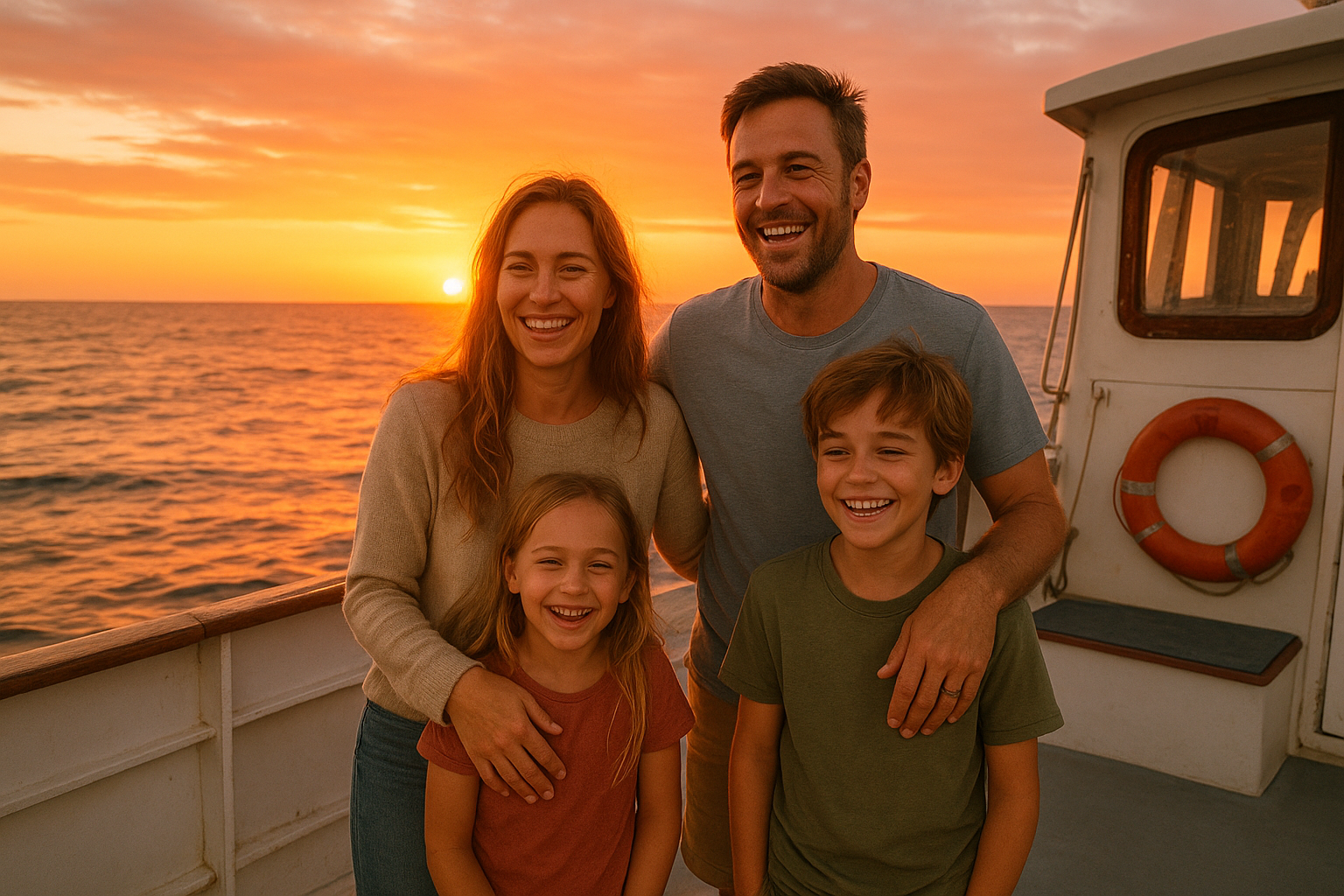
Custom charters work well for anniversaries, proposals, and small celebrations on the water.
Frequently Asked Questions About Private Semi-Private Whale Watching Tours San Diego
What are private semi-private whale watching tours San Diego?
Private semi-private whale watching tours San Diego are small boat excursions, capped at around six guests, led by a marine biologist and captain who track whales and dolphins along the coast. They offer more personal viewing and guidance than large commercial whale watching boats.
How is a semi-private tour different from a fully private charter?
A fully private charter reserves the entire boat exclusively for your group, while a semi-private tour books individual seats shared with a few other parties. Both keep total passengers low, usually around six people.
How much does a semi-private whale watching tour cost in San Diego?
Pricing varies by season, trip length, and whether you book a shared semi-private seat or a full private charter. Detailed current pricing is outlined on the operator’s cost breakdown page rather than a single fixed rate.
What is the best time of year to see blue whales near San Diego?
Blue whales are most commonly seen off San Diego between June and September, when they migrate along the California coast to feed. Gray whales, by contrast, are more visible from December through April.
How many passengers are allowed on a small-group whale tour?
Standard small-group tours are capped at six passengers, which keeps the boat uncrowded and every guest close to the rail. Special occasion charters can sometimes expand to up to twelve guests.
Can photographers and filmmakers bring their own professional gear?
Yes, photographers and filmmakers are welcome to bring their own cameras, lenses, and drones, since the boats are designed with stable, low-profile hulls and 360-degree viewing access. Crews from major nature documentary productions have used similar setups.
Which whales and dolphins might I see on a San Diego whale watching trip?
Depending on the season, guests may see blue whales, gray whales, humpback whales, fin whales, orcas, and several dolphin species. Dolphins are commonly spotted year-round in San Diego’s coastal waters.
Why choose a naturalist-led tour over a large commercial whale watching boat?
A naturalist-led tour provides real-time scientific context, better maneuverability, and a calmer, less crowded viewing experience. In contrast, large commercial boats often carry over a hundred passengers, which limits rail space and personal attention.
What should I bring on a private whale watching charter?
Bring layered clothing, sun protection, motion sickness remedies if needed, and a camera. If you plan to snorkel on a seasonal trip, bring your own snorkel or freedive gear, since equipment rental is not included.
Can I book a semi-private whale tour for a special occasion or corporate event?
Yes, many operators offer customized charter packages for birthdays, proposals, anniversaries, and corporate outings. These packages typically allow for a larger guest count and personalized itinerary planning.
What is a common mistake people make when booking whale watching tours?
A common mistake is booking a large commercial boat expecting a personal experience, then finding crowded rails and limited guidance. Another mistake is waiting too long to book during peak blue whale or gray whale migration season.
How far in advance should I book a private semi-private whale watching tour in San Diego?
Booking two to four weeks ahead is generally recommended, especially during peak summer and winter migration months. Special occasion charters with specific date requirements should be booked even earlier.
In summary, private semi-private whale watching tours San Diego give travelers a quieter, closer, and more educational way to experience blue whales, gray whales, dolphins, and other marine life along the California coast. Because group sizes stay small and a Scripps-trained marine biologist narrates every sighting, these trips suit families, photographers, filmmakers, and anyone planning a special occasion on the water. Whether you choose a semi-private seat or reserve the whole boat, booking ahead and picking the right season will make the biggest difference in what you see from Seaforth Marina.