
Non-chasing wildlife viewing tours San Diego operators offer give travelers a chance to watch whales, dolphins, and sea lions behave naturally, without boats pursuing or crowding them. Instead of racing toward a splash or a fin, a non-chasing tour slows down, idles the engine, and lets the animals decide how close they come. For families, photographers, and ocean lovers, that difference shapes every part of the experience, from the quality of sightings to the overall feel of the trip.
In San Diego, where blue whales, gray whales, humpbacks, orcas, and dolphins pass through coastal waters at different times of year, this approach has become a hallmark of responsible operators. As a result, choosing the right boat matters almost as much as choosing the right season.
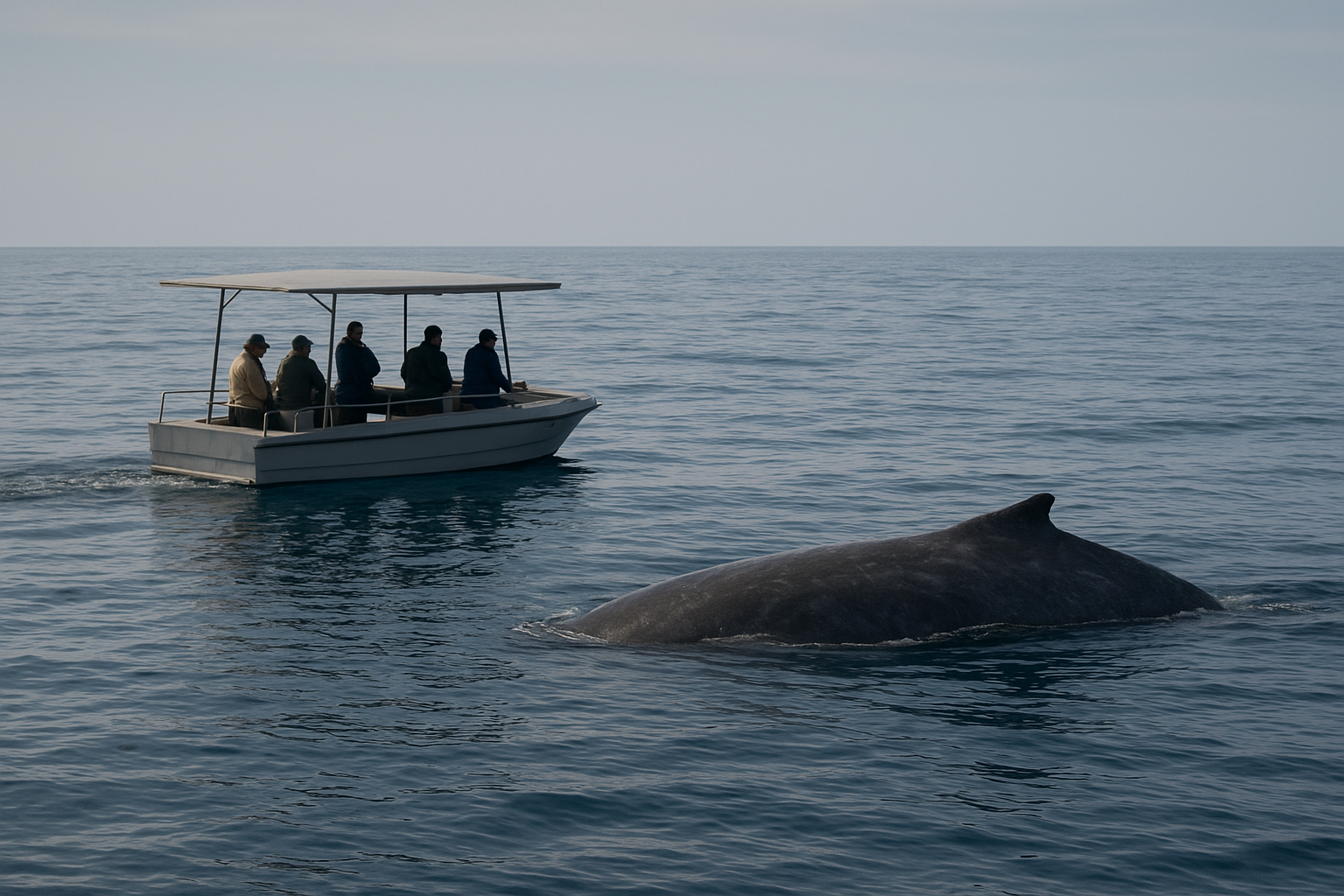
Non-chasing wildlife viewing tours San Diego boats idle their engines and wait for whales to surface naturally.
What Are Non-Chasing Wildlife Viewing Tours San Diego Visitors Can Trust?
Non-chasing wildlife viewing tours San Diego visitors can trust are excursions where the captain and naturalist prioritize the animal’s comfort over the closest possible photo. In practice, this means cutting speed early, approaching at an angle rather than head-on, and backing away the moment an animal shows signs of avoidance.
These practices align with guidance from NOAA Fisheries marine life viewing guidelines, which recommend keeping at least 100 yards from whales and 50 yards from dolphins in most situations. Consequently, a tour that follows these standards tends to produce calmer, longer sightings rather than brief, chaotic encounters.
Why Low-Impact Whale Watching Matters for Marine Life
Low-impact whale watching matters because repeated close pursuit can raise stress hormones in marine mammals, interrupt feeding, and even separate calves from mothers. In particular, blue whales, the largest animals on Earth according to Wikipedia’s entry on the species, spend much of their summer off San Diego feeding on dense patches of krill. Disturbing that feeding behavior, even briefly, can cost an animal valuable energy during a critical season.
For this reason, operators trained in low-impact methods treat every encounter as a privilege rather than a guarantee. Above all, patience tends to reward guests with more natural behavior, including breaching, spyhopping, and relaxed surface resting, instead of animals fleeing a noisy boat.
How Responsible Dolphin and Whale Viewing Works on the Water
Responsible dolphin and whale viewing starts long before the boat leaves the dock. Captains study recent sightings, tide charts, and known feeding areas, then plan routes that place the boat near likely wildlife activity without crowding a specific pod.
Once animals are spotted, the crew typically shifts to neutral or slow speed and lets the vessel drift into position. Specifically, boats with stable, low-profile hulls and quiet outboard engines, like those used for small-group wildlife adventures in San Diego, reduce both noise and wake, which helps animals stay relaxed nearby.
A Scripps-trained marine biologist riding along adds another layer of care. Therefore, the naturalist can read subtle behavior cues, such as tail slaps or rapid direction changes, and advise the captain to ease off before the animal feels pressured.
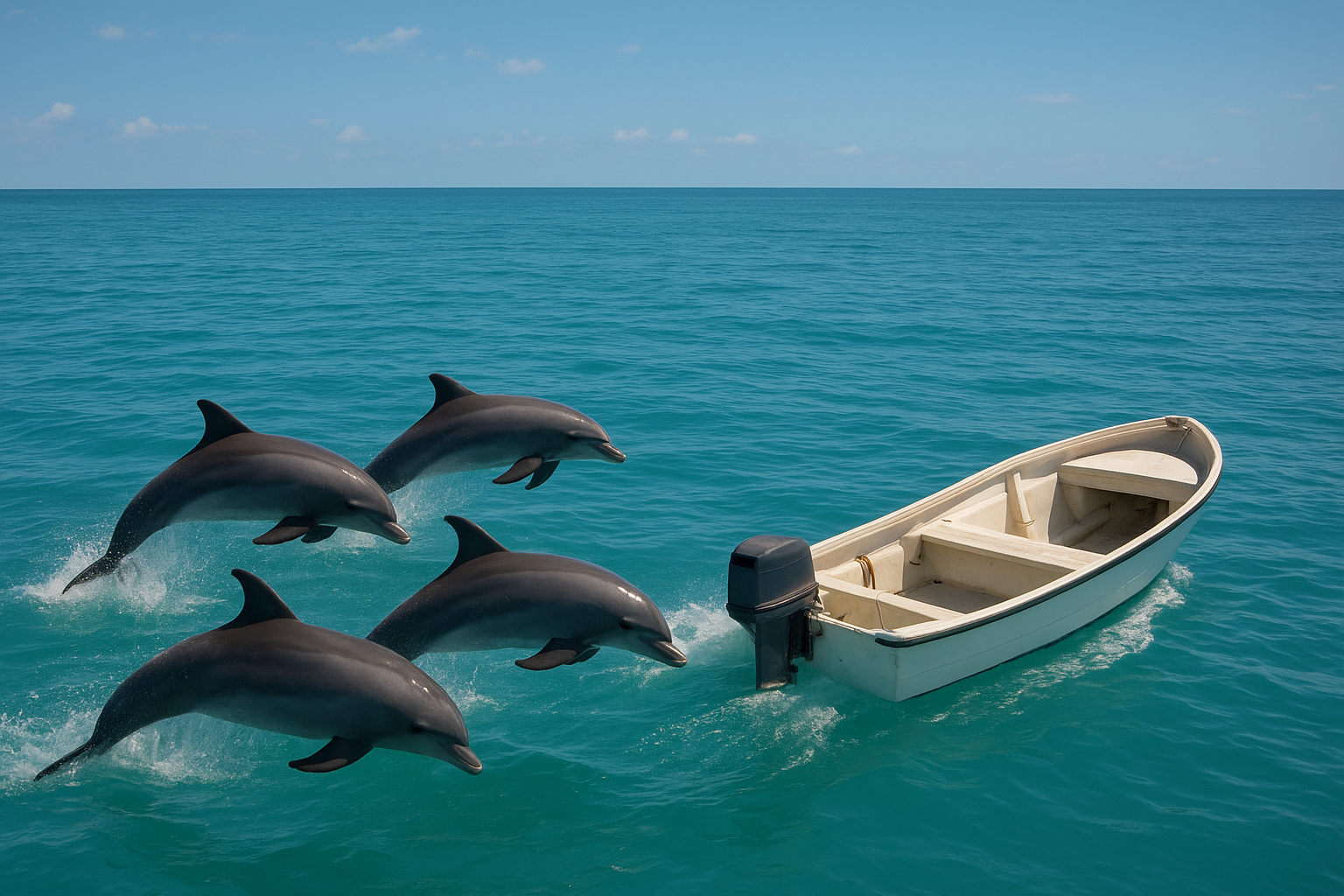
Dolphins often approach quiet, slow-moving boats on their own terms during San Diego excursions.
Seasonal Wildlife You Can See on Ethical Boat Tours San Diego
Ethical boat tours San Diego run nearly year-round, and the mix of wildlife shifts with the seasons. Blue whales and fin whales are most common from roughly June through September, when they gather offshore to feed. Meanwhile, gray whales pass along the coast during their winter and spring migration between Alaska and Baja California.
Humpback whales and orcas appear less predictably but are sighted throughout the year, often alongside common dolphins and bottlenose dolphins that travel in large pods. In addition, summer brings the Blue Water Safari season, when snorkelers can enter the water near kelp paddies to observe sea lions and ocean sunfish, also known as molas, drifting near the surface.
Because conditions change quickly, many guests check recent reports, such as this account of recent dolphin calf sightings, before booking a specific date.
How to Choose a Non-Chasing Wildlife Viewing Tour in San Diego
Selecting the right operator takes a bit of research, but the process is straightforward. The following steps help narrow down options before booking a trip.
- Verify the operator follows NOAA wildlife viewing distance guidelines and avoids chasing or cornering animals during the approach, since responsible crews slow down and let whales and dolphins set the pace of the encounter.
- Ask whether a trained marine biologist or naturalist narrates the trip, because expert guides can read animal behavior and signal captains when to back off respectfully.
- Check the vessel’s passenger capacity and hull design, since smaller groups and low-profile boats reduce noise and wake that can stress marine mammals during close encounters.
- Review the company’s engine type and approach speed, as quiet outboard motors and slow, predictable movements keep stress levels low for whales, dolphins, and sea lions.
- Confirm the tour’s seasonal expertise, since knowing migration patterns for blue whales, gray whales, humpbacks, and orcas helps operators find animals without crowding feeding or resting pods.
Photography and Filmmaking Aboard Low-Impact Charters
Photography and filmmaking aboard low-impact charters benefit directly from non-chasing practices, since calmer animals tend to stay visible longer and behave more naturally. Stable, low-profile hulls reduce camera shake, while 360-degree viewing access means photographers rarely have to fight for a clear angle.
Notably, this combination of quiet engines and patient captaining has supported film crews working on projects for networks such as BBC Earth, National Geographic, and Discovery Channel. For travelers planning a trip specifically around imagery, a resource like this guide to the best boat tour for wildlife photographers in San Diego covers equipment tips and timing in more depth.
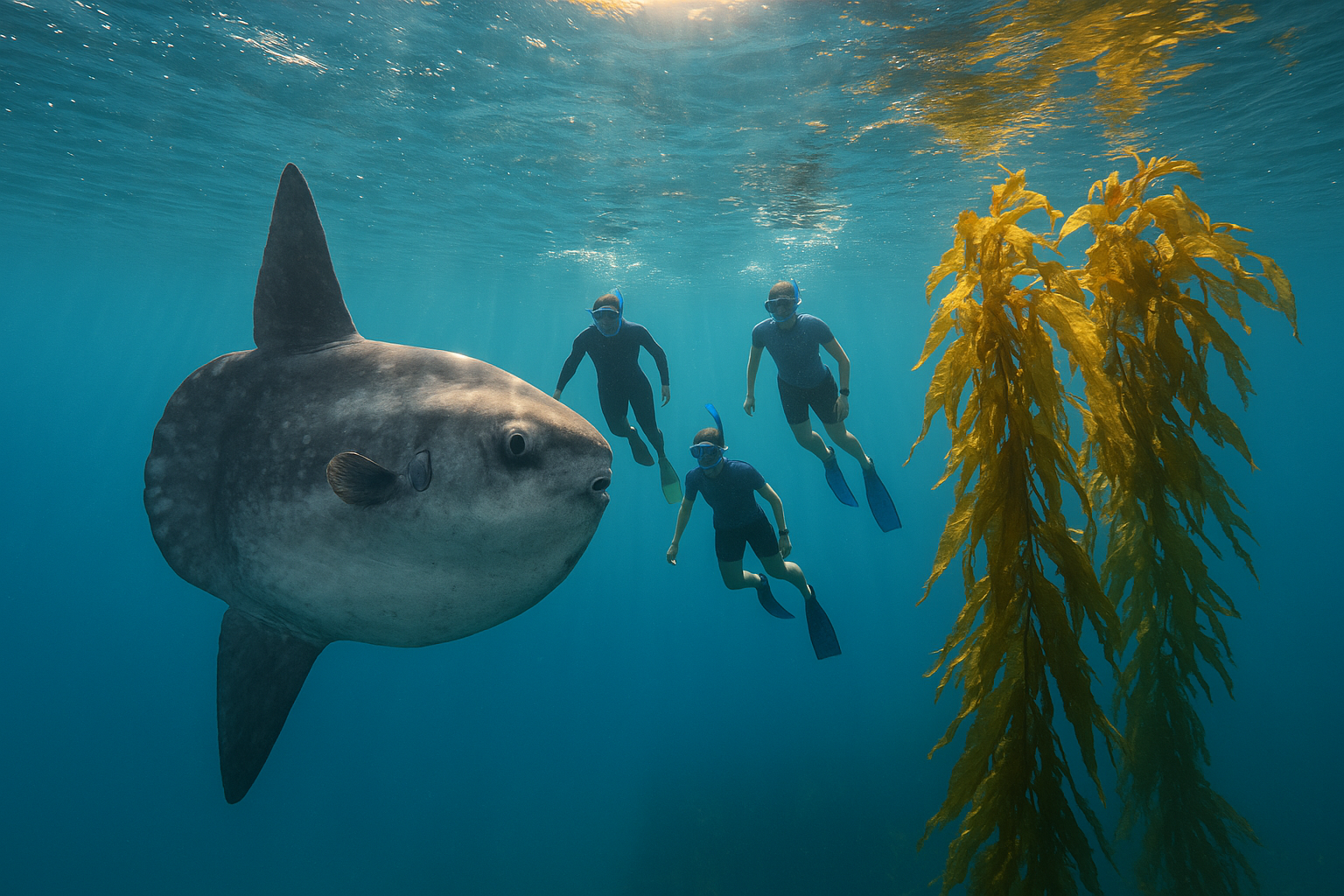
Summer snorkel trips near kelp paddies offer calm, non-chasing encounters with ocean sunfish and sea lions.
What Makes This Different From a Typical Whale Watching Cruise?
A typical large whale watching cruise often carries dozens or hundreds of passengers, which can push captains toward faster, closer approaches to satisfy everyone on board. In contrast, a small-group, non-chasing tour usually caps passengers at six, or up to twelve for special occasions, which removes much of that pressure.
Consequently, guests on smaller boats tend to get quieter rides, clearer sightlines, and more one-on-one time with a naturalist who can answer questions in real time. For travelers weighing their options, this comparison is explored further in a broader look at whale watching tours in San Diego and how group size affects the experience.
Booking a Private or Custom Wildlife Charter
Private and semi-private charters give guests more control over timing, duration, and focus, whether that means a sunrise blue whale search or a half-day trip built around photography. Full-day expeditions are also available for travelers hoping to maximize their chances during peak migration windows.
Operators such as Big Blue Photo Boat, based at Seaforth Marina in San Diego, build these trips around Coast Guard-inspected vessels and a Scripps-trained naturalist, which keeps the experience both safe and educational. Corporate groups and special-occasion bookings can usually be customized within the limits of the boat’s capacity.
Frequently Asked Questions About Non-Chasing Wildlife Viewing Tours San Diego
What are non-chasing wildlife viewing tours San Diego operators provide?
Non-chasing wildlife viewing tours San Diego operators provide are boat trips that let whales, dolphins, and sea lions set the pace of the encounter instead of being pursued for closer views. Crews slow down, cut engines near animals, and keep respectful distances throughout the trip.
How far must boats legally stay from whales in California?
NOAA Fisheries guidelines recommend vessels stay at least 100 yards from whales and 50 yards from dolphins in most California waters. Some species and marine protected areas have even stricter approach distances.
Why does non-chasing wildlife viewing matter for marine animals?
Chasing or crowding marine mammals can raise stress hormones, interrupt feeding and resting, and separate mothers from calves. Non-chasing practices reduce these risks while still giving guests meaningful, up-close sightings.
Which whales can you see in San Diego and when?
San Diego’s offshore waters host blue whales and fin whales mainly in summer, gray whales during their winter and spring migration, and humpbacks and orcas at various points throughout the year. Dolphins are commonly seen year-round.
Do non-chasing tours reduce the chances of seeing wildlife?
Not necessarily, since experienced naturalists use seasonal migration knowledge and patient observation to locate animals without pursuing them. In many cases, patient, low-impact approaches lead to longer, calmer sightings than aggressive pursuit.
How many passengers are on a typical small-group whale watching tour?
Small-group tours often cap passengers at around six people, with slightly larger groups of up to twelve available for special occasions. Smaller groups generally mean quieter boats and better viewing angles for every guest.
Are non-chasing wildlife tours suitable for photographers and filmmakers?
Yes, low-profile hulls, quiet outboard engines, and 360-degree viewing access make these tours well suited for photography and filming. Some operators have supported professional film crews working on wildlife documentaries.
What is the difference between a whale watching tour and a snorkel excursion?
Whale watching tours focus on viewing marine mammals from the boat, while snorkel excursions let guests enter the water near kelp paddies to see sea lions and ocean sunfish. Snorkel trips typically run in summer when water conditions are calmer and warmer.
What should I bring on a snorkel excursion in San Diego?
Guests should bring their own snorkel or freedive gear, swimwear, a towel, and sun protection, since gear rental is not typically included. A light jacket is also helpful for the boat ride back to the marina.
What is a common mistake people make when booking a wildlife tour?
A common mistake is booking a large, crowded vessel that circles or closes in on animals for better photos, which can violate federal distance guidelines. Choosing a smaller, naturalist-led boat usually produces calmer, more respectful encounters.
How experienced are the guides on these tours?
Guides on reputable San Diego tours are often marine biologists trained at research institutions such as Scripps Institution of Oceanography. This background helps them read animal behavior and brief captains on safe, respectful approaches.
Can I book a private charter for a special occasion?
Yes, many operators offer private and semi-private charters for birthdays, proposals, corporate events, and other personalized ocean adventures. Group sizes and itineraries can usually be customized within the limits of the vessel.
How much does a private whale watching charter cost in San Diego?
Pricing varies by season, trip length, and group size, so it is best to check current rates directly with the operator before booking. Full-day expeditions and custom charters generally cost more than standard semi-private tours.
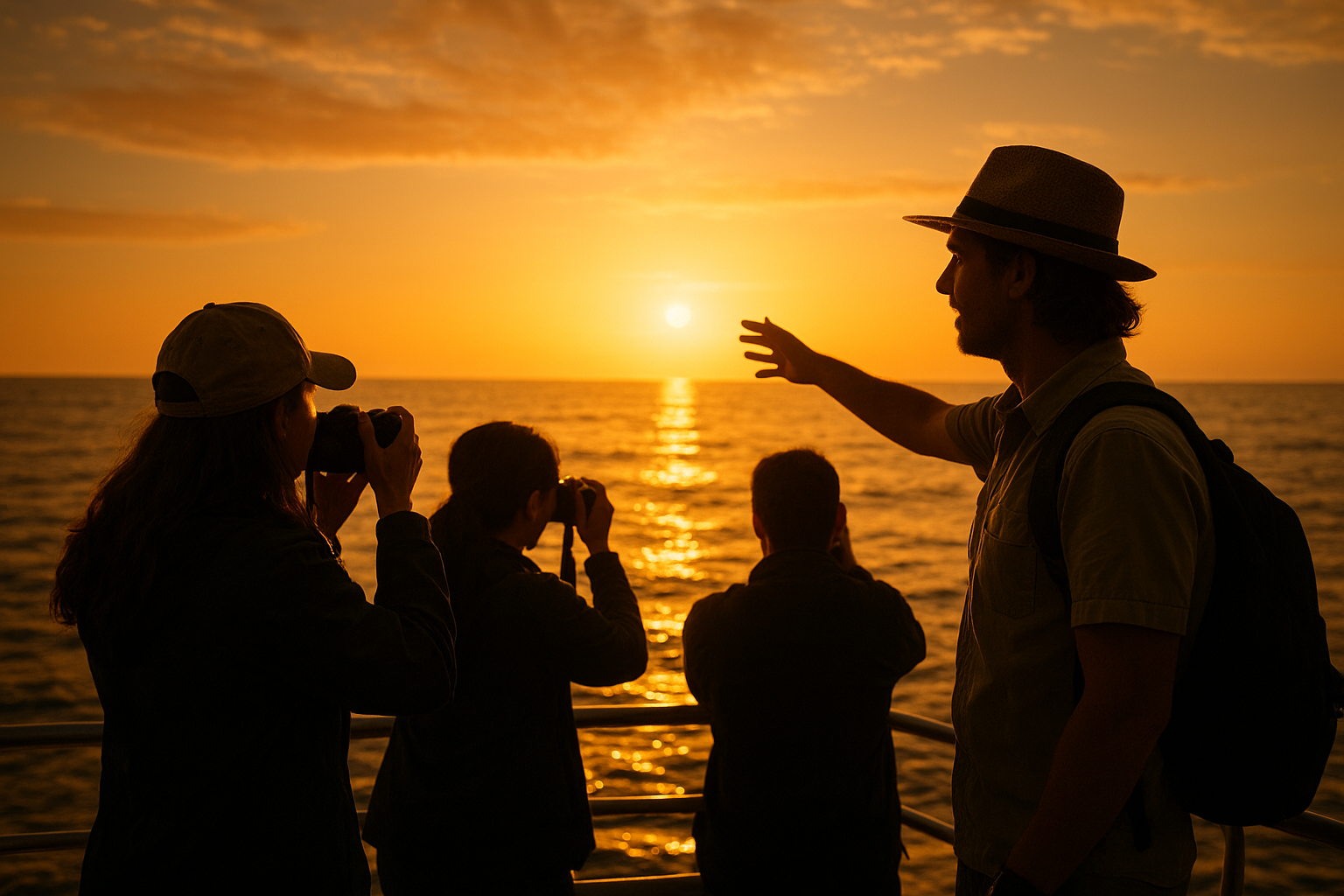
A naturalist-guided approach supports non-chasing wildlife viewing tours San Diego travelers rely on for respectful sightings.
Final Thoughts on Choosing a Responsible Tour
Ultimately, non-chasing wildlife viewing tours San Diego travelers choose tend to deliver calmer encounters, better photography opportunities, and a smaller footprint on fragile marine habitats. By checking group size, engine type, naturalist credentials, and adherence to NOAA distance guidelines, visitors can book a trip that respects the animals while still offering memorable sightings of blue whales, gray whales, dolphins, and more. In the end, a patient, low-impact approach on the water usually rewards guests with the kind of natural behavior that chasing a pod can never guarantee.